


Clingendael Academy trains diverse police audiences on international security
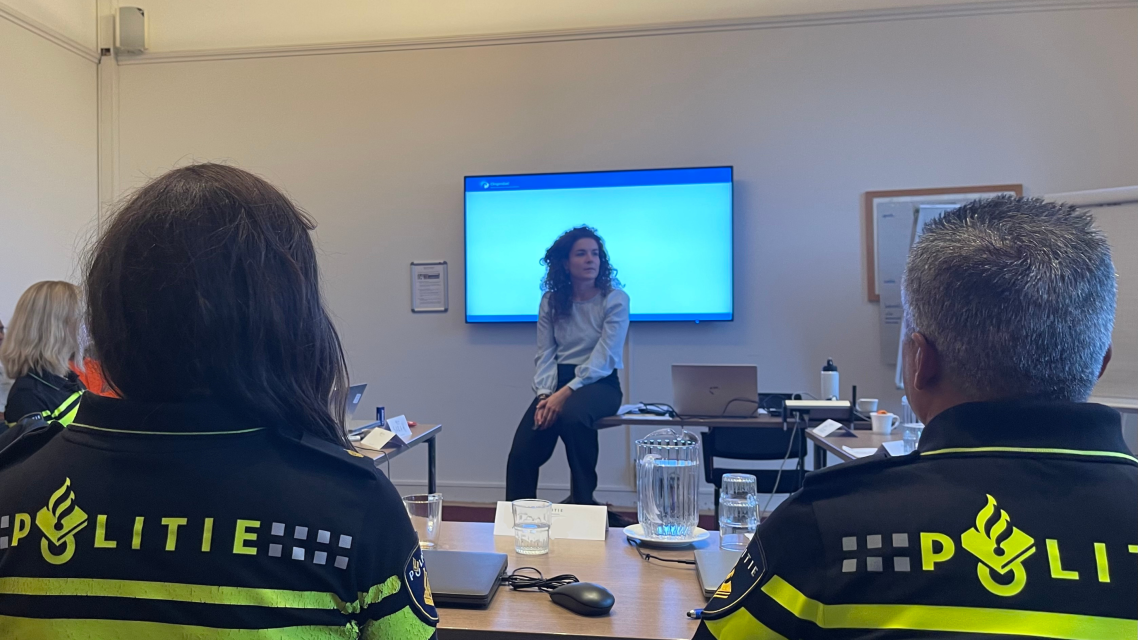
What knowledge and skills do national police need to manage the impact of international (in)security on their own work? In the first quarter of 2026, The Clingendael Academy delivered a broad range of training programmes for Dutch national police professionals, working with threat analysts, officers preparing for international missions, leadership groups, and strategic‑level staff.
The close cooperation with the Dutch police highlights the need for more knowledge sharing in an evolving security landscape, in which international developments increasingly impact both international as well domestic policing.
Throughout the programmes, participants examined the (potential) impact of the latest global events, such as how the escalation of US-Israel-Iran tensions into active war could not only lead to a humanitarian and international energy crisis, but also affect the Dutch security environment, and even the work of the national police itself. By integrating structured reflection exercises during and after expert contributions, Clingendael Academy helped participants connect these external dynamics to their daily practice.
Key to understanding the international security environment is integration of skills‑focused sessions, including the use of a conflict analysis tool to better understand the drivers, actors, and dynamics of complex crises. Participants also strengthen their ability to communicate effectively across cultures through dedicated intercultural communication sessions, an essential skill both for international deployments as well as for working in increasingly diverse contexts.
These programmes highlight how The Clingendael Academy supports the police in navigating the intersection between international developments and national security challenges. By equipping different layers of the organisation with analytical, communicative, and reflective tools, we contribute to a more resilient and internationally aware police force.


