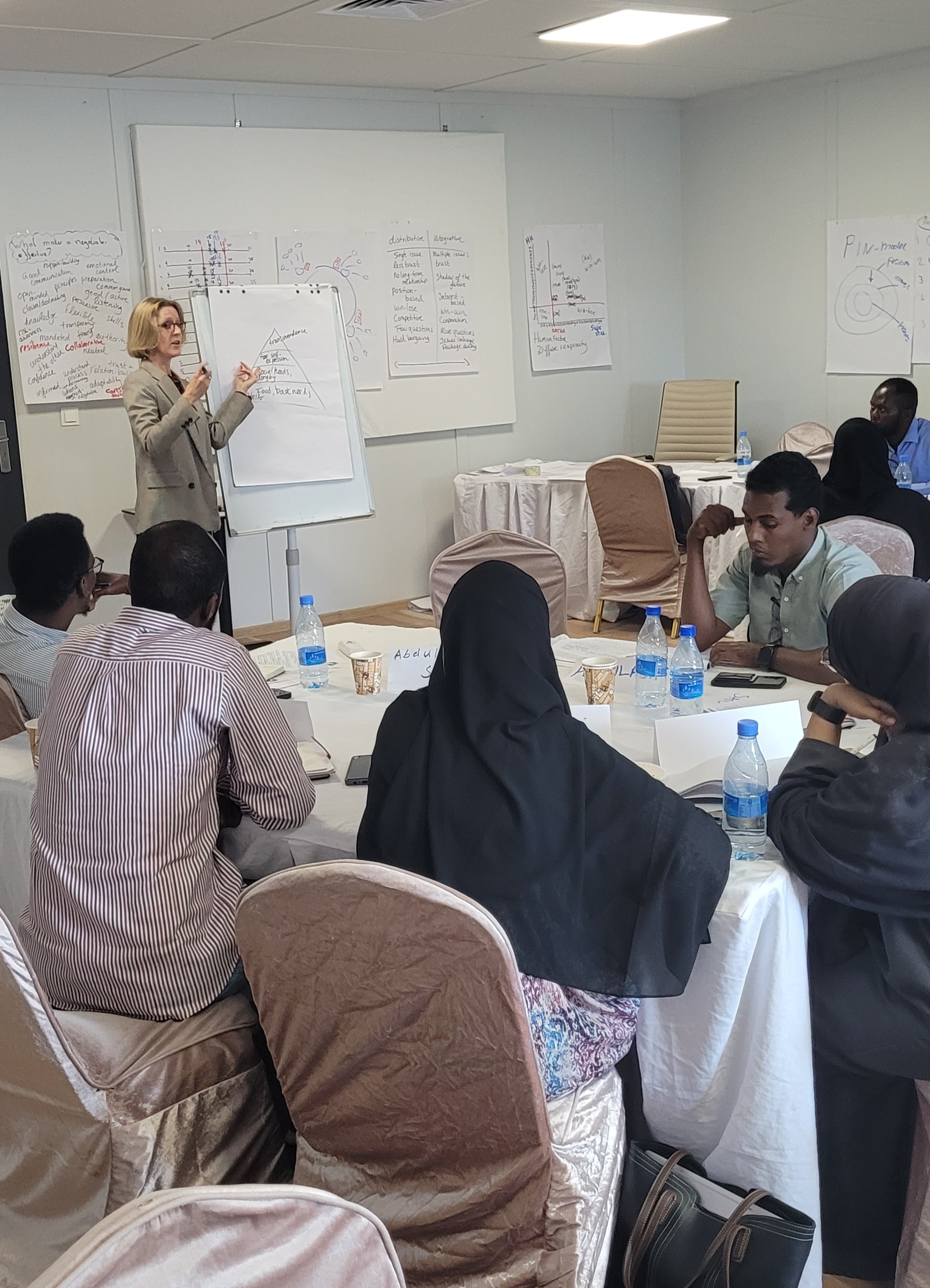
Clingendael delivers first humanitarian negotiation training in Mogadishu
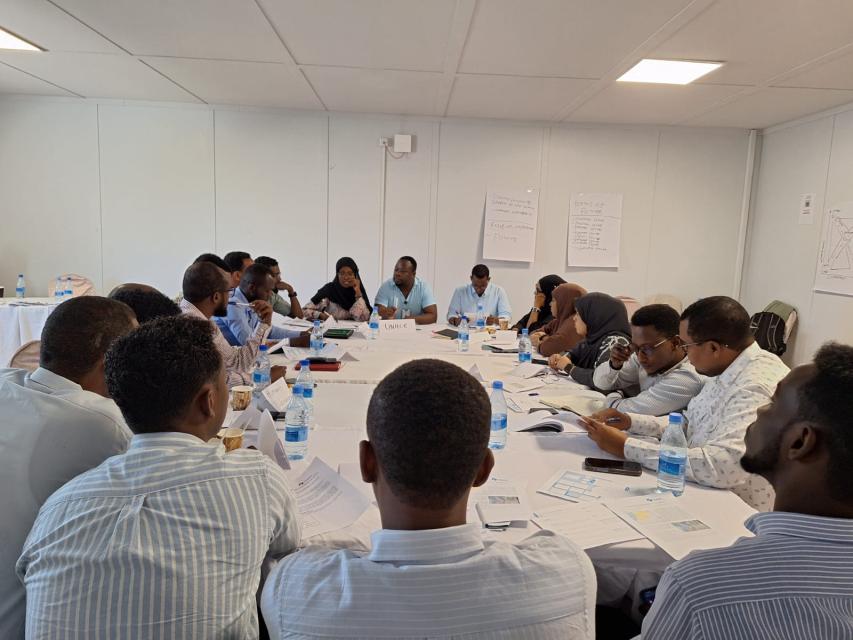
In October, Clingendael’s Humanitarian Negotiations Programme worked with 21 humanitarian professionals delivering assistance across Somalia. This was the first training delivered in Mogadishu by the institute.
Because of security challenges, it can be difficult to reach these participants, so we are very proud to have been able to travel to them. Their activities take place in different regions across Somalia, where humanitarian needs are severe due to man-made conflict and climate-related crises.
Navigating negotiation in complex crises
Somalia is facing multiple, intersecting crises that continue to severely impact humanitarian access. With more than three decades of protracted crises, the country remains deeply affected by insecurity and instability making it difficult for humanitarian actors to deliver aid safely and consistently.
Conflict left hundreds of thousands without access to essential health, water, and sanitation services. At the same time, prolonged drought and food insecurity are driving famine and displacement, increasing vulnerabilities and the need for urgent humanitarian support.
On top of these challenges, recent funding cuts to humanitarian budgets have added even more pressure to response efforts. This makes strong negotiation skills more important than ever to reach those most in need.
Applying negotiation skills to field realities
During the training, participants took part in practical simulations based on real negotiation challenges they face in their daily work. These included exercises on negotiating with an armed group about a peace proposal and working within a consortium of NGOs.
Recognising the complexity of their operating context, a peer-to-peer session was added on negotiation dynamics in Somalia. This gave participants the chance to analyse their experiences, share insights, and apply lessons directly to their current work.
We extend our sincere thanks to the International Organization for Migration and their team in Mogadishu for their good care and for inviting us to deliver this training to humanitarian professionals working for organisations across Somalia.