


Expert Meeting on Children and Youth: Challenges and Opportunities
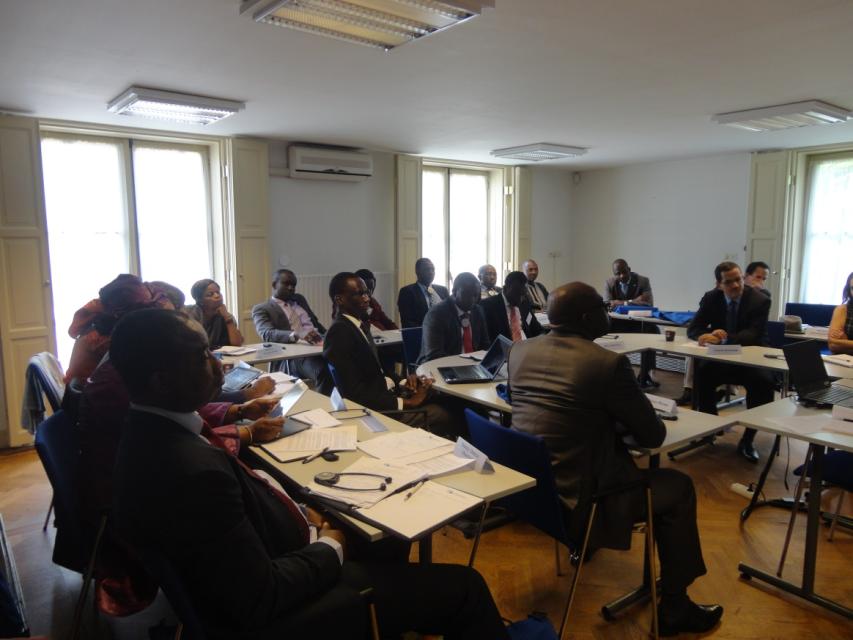
June 10, 2015 – On June 3rd, Clingendael hosted an expert meeting between representatives from UNICEF, the ISS, and 20 visiting diplomats from West Africa and the Sahel. Currently half of the African population is under the age of 18, which represents both a challenge and an opportunity for the sustainable development of the continent. This expert meeting aimed at exploring tools to improve the conditions of children and youth as well as ways to empower them.
Inclusive Development and Education
The youth bulge - or the predicted increase in youth - calls for a more inclusive approach to development. Far too often development policies disregard the existing social realities and the cultural context. There is a need to take into consideration the capabilities and knowledge of children, as well as to acknowledge their actual position within their communities, to enable them to contribute to the sustainable development of their countries.
All participants agreed that the foundation for inclusive development is good quality education for all children, while nowadays only two thirds of children in West Africa attend primary school. Good governance was also highlighted as being an essential precondition to improve the conditions of children and youth. In this regard, the participants recognised the need to tackle corruption, and discussed possible solutions, including the zero-tolerance policy. The diplomats furthermore stressed that not all African countries face the same problems and thus there are no cookie-cutter solutions.
Regional Cooperation in the Decade of Opportunity
[[{"type":"media","view_mode":"media_large","fid":"5375","attributes":{"alt":"","class":"media-image","style":"width: 300px; height: 225px; float: right;"}}]]Serious investments in policies and infrastructure are needed to make best use of the vast amount of human resources for sustainable development in the region. This seems like a daunting task for the (mostly) developing countries of West Africa, which is why there is a need for more regional cooperation. Partnerships and regional organisations, such as the African Union, Global Partnership for Education, or the African Development Bank, are available and need to be utilised, in order to work towards the standards set out in the MDGs and by the Convention on the Rights of the Child.
Lastly, the international community also needs to be more involved, and hold governments of countries that are not on schedule to reach the development goals concerning children and youth accountable.
More Information?
For more information please do not hesitate to contact the course coordinators Ms. Marianne Rogier or Ms. Sofie Van Bergen.