


Intercultural communication: a keystone in the toolbox of a modern diplomat
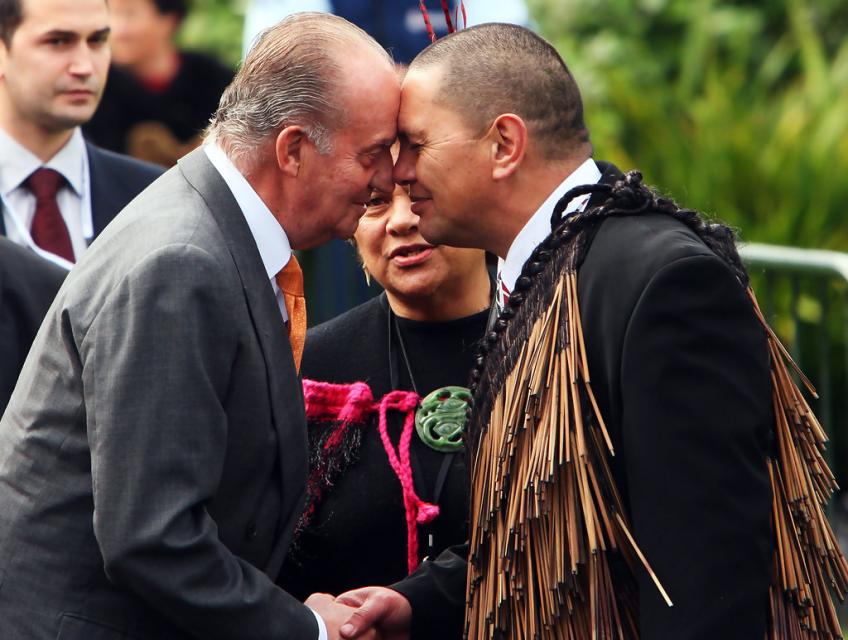
Intercultural Communication is one of the most important skills for a succesful diplomat. Hence, seminars on this topic are offered in almost every diplomatic training at the Clingendael Institute. This time a group of diplomats from the Balkans and Turkey got offered such a training.
For a group of diplomats representing different countries and cultures, the topic of how different cultures communicate with each other in a business environment is not only very much interesting, but also extremely relevant. In a workshop taught by Danaë Huijser, owner of Culture & Management Consulting (CMC), at the Clingendael Institute on 11 October 2013 the theory, as well as practice of intercultural communication was discussed and participants were encouraged to step out of their comfort zone and to learn from other cultures.
Difficult Dutch culture
Ms. Huijser explained, by sharing her own background with the participants, how you can embrace the power of diversity: by looking at the same thing from different perspectives and see how we help each other and learn from each other’s perspective. When asked which cultures the participants found challenging a number of countries where named, including China, the Czech Republic and yes, also The Netherlands. Especially the biking culture and the advantages and rights bikers have in The Netherlands were hard to understand for many participants.
Knowing your own culture
Through defining culture first Ms. Huijser explained the different concepts and theory of Intercultural Communication: What is culture, how does your background influence the way you communicate at work and how do individuality, authority, role systems and the community relate to each other? Though the results of several tests, the participants were shown the different business cultures of most countries in the world. Unfortunately, the results from most of the countries of origin of the participants, located in South East Europe, were not available yet due to a lack of data.
The workshop provided an excellent learning experience that made the participants think about and reflect on their own culture, the cultures of other countires, how culture influences communication and how this can be best understood and appreciated. The feeling that this workshop was extremely usefeful and interesting was broadly shared among the participants. The result was a group of very much stimulated diplomats who were better able to understand how culture affects their own, and others, way of communicating in a business environment.