


The Message is Key: Training Diplomatic Correspondence
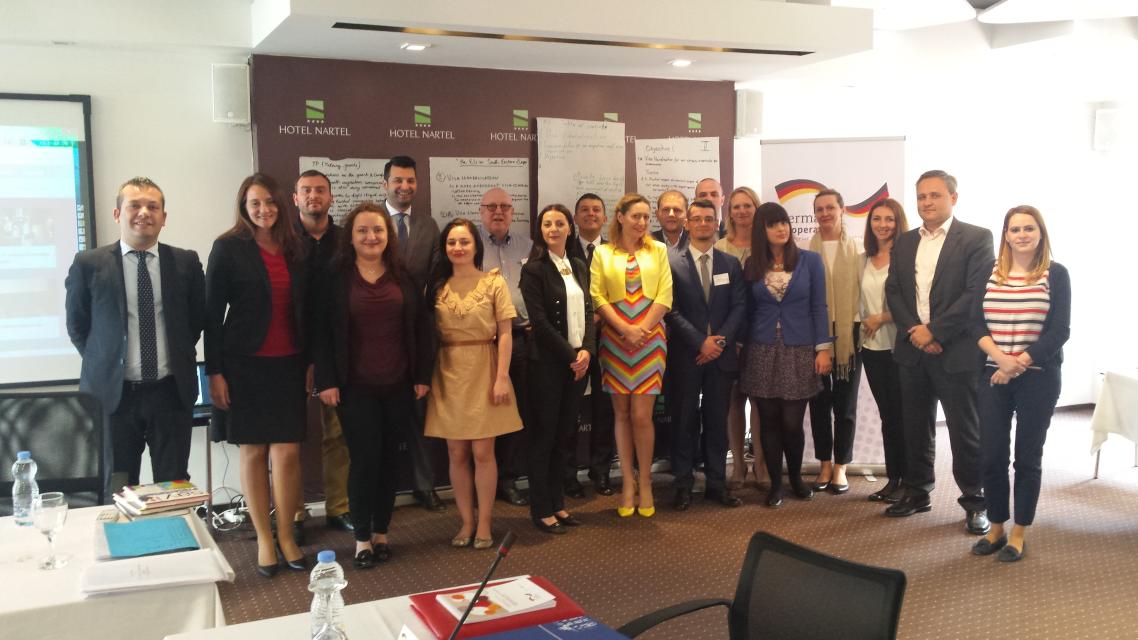
From 23 to 25 June 2015, Ms. Mariska Heijs and Mr. Hajé van Houten conducted a training on Diplomatic Correspondence in Pristina, Kosovo. A group of 16 diplomats from four countries in South East Europe (Albania, Bosnia-Herzegovina, Kosovo and Macedonia) participated.
The aim of the course was to share comprehensive knowledge and expertise on effective writing skills, enabling the participants to improve their correspondence and policy papers in their daily work.
The participants examined texts and information from a variety of sources. They learned about the value of a good title, structure and layout and understood that the message is key in all written and spoken texts. Moreover, they looked at the validity and reliability of sources and debated the form and style of recommendations in their own policy papers.
In small groups the participants experienced a for them new form of diplomatic correspondence. They had to develop a set of talking points for their Minister of Foreign Affairs, when discussing delicate issues at a meeting. The output of this exercise was a list of pointers for a short meeting, indicating, amongst others, topics for discussion and a selected choice of words and phrases, the level of political sensitivity and questions that may be asked by the other party.
After three days of intense work, the participants agreed that they would never look at written texts the way they did before. The course had changed their opinions on many aspects of diplomatic correspondence and they also decided to immediately implement the newly acquired skills at work and to share it with colleagues as soon as possible.
The trainers and the participants had a good time together in Pristina, and the trainers wish the participants all the best in their future careers!
The training Diplomatic Correspondence was implemented by the Clingendael Institute and formed part of the module Promotion of EU Integration, organized by GIZ, a German development organisation, and financed by the Open Regional Funds for South East Europe (ORF).
- 7 July 2015