Sanctions, governance and reconstruction in Syria
- Fully and permanently lifting sanctions on Syria looks like taking a risk on the genuineness of HTS moderation
- However, not, partially or temporarily lifting sanctions will make a successful political transition in Syria impossible
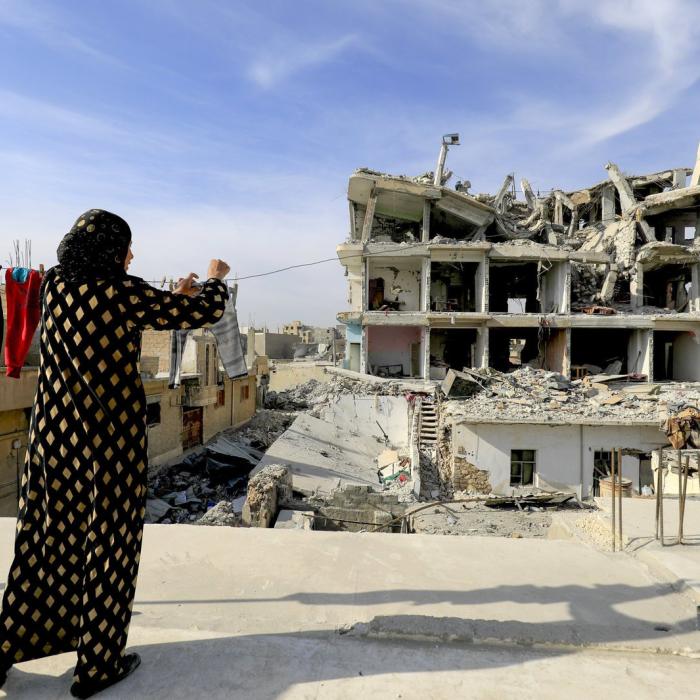
- The country is economically so destitute that without reconstruction it remain a humanitarian emergency, a source of flight and become a pit for geopolitical knife fights
Giving more pluralistic and representative governance a chance to take root in Syria requires the creation of enabling economic conditions. This demands the full and permanent lifting of all sanction regimes so that recovery and reconstruction can start at scale and pave the way for institution-building and private sector investment as durable pathways out of Syria’s destitution. Doing so means betting that HTS’s ideological transformation is genuine and sustained. Not doing so is certain to keep Syria in desperate economic straits. It also risks increasing banditry, acts of violent revenge and, in the medium term, renewed insurgency as well as more interference from regional powers. Moreover, not lifting sanctions can also turn fears about HTS transformation into a self-fulfilling prophecy. Intermediate options exist between no sanctions relief and full sanctions relief.
However, such options create uncertainty and this will limit the economic engagement of public and private actors alike. A twilight zone is likely to result in which Syria oscillates between stability and instability. Gradual sanctions relief may nevertheless be all that is available. Obtaining as much of it as possible requires practical steps by the United States, European Union and United Nations that are outlined in this brief.