


Indus Water Treaty 2025: A pause of cooperation, not an end
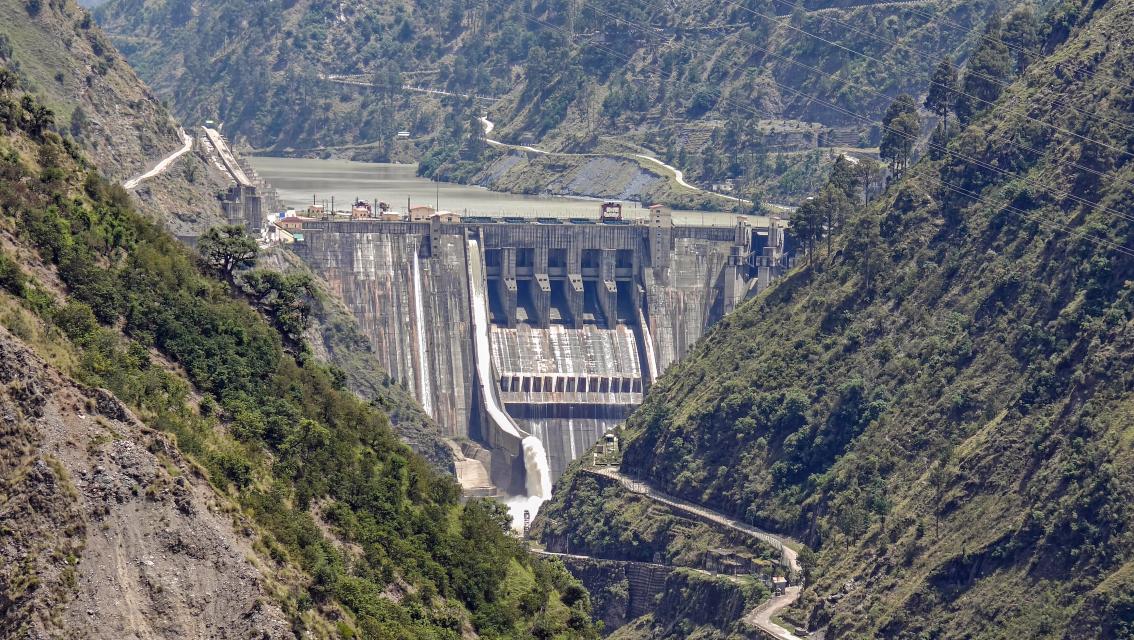
- India temporarily suspended the Indus Waters Treaty with Pakistan after the 2025 Pahalgam attack, sparking concern
- Though tied to recent tensions, the move also reflects India’s frustration with treaty limits and Pakistan’s resistance to rennegotiate
- Global distractions and geopolitical shifts enabled India’s move with little backlash
- Despite escalation fears, the suspension seems a strategic signal, not a step toward permanent unilateral water action
- With mounting water pressures, there is no alternative to Indus water cooperation—it requires both sides to re-engage and update the treaty or create a new framework
Treaty in abeyance: a political and hydrological quake
On 23 April, 2025, India put the Indus Water Treaty (IWT) of 1960 with Pakistan in abeyance, by temporarily suspending it under certain conditions. The move followed the Pahalgam attack in India, carried out by a supposedly Pakistan-based militant group, and was made during the subsequent military escalation. The Indian government cited national security concerns and Pakistan’s alleged support of state-sponsored terrorism as reasons for this step.
The temporary suspension of one of the world’s most conflict resilient water-sharing agreements is an extraordinary development and marks a surprising, serious and harsh act. For over six decades, the IWT endured various diplomatic breakdowns, violent escalations, and full-scale wars between India and Pakistan as well as surging nationalism on both sides, without being seriously questioned by either party. That it now falters signals a shift not only in the India-Pakistan relations but also in the geopolitics of the region and the politics and management of shared water resources. This Alert examines the implications of the temporary suspension of the IWT, not only as a strategic move in the India-Pakistan crisis and a geopolitical rupture but also as a pivotal moment from a water perspective. It reaffirms cooperation necessities while allowing for renewed thinking about and around transboundary water governance.
Authors

External authors
Related
See all
Promoting water cooperation in the Middle East
