Egypt’s Expanding Role in the Horn of Africa
- Egypt is expanding its military, diplomatic, and economic presence in the Horn of Africa amid its ongoing water dispute with Ethiopia
- At the same time, Ethiopia’s push for sea access has strained ties with its neighbours, some of whom are aligning with Cairo to counterbalance Addis Ababa
- These dynamics, if not managed carefully, threaten regional stability and call for greater international attention to ease tensions between Cairo and Addis Ababa
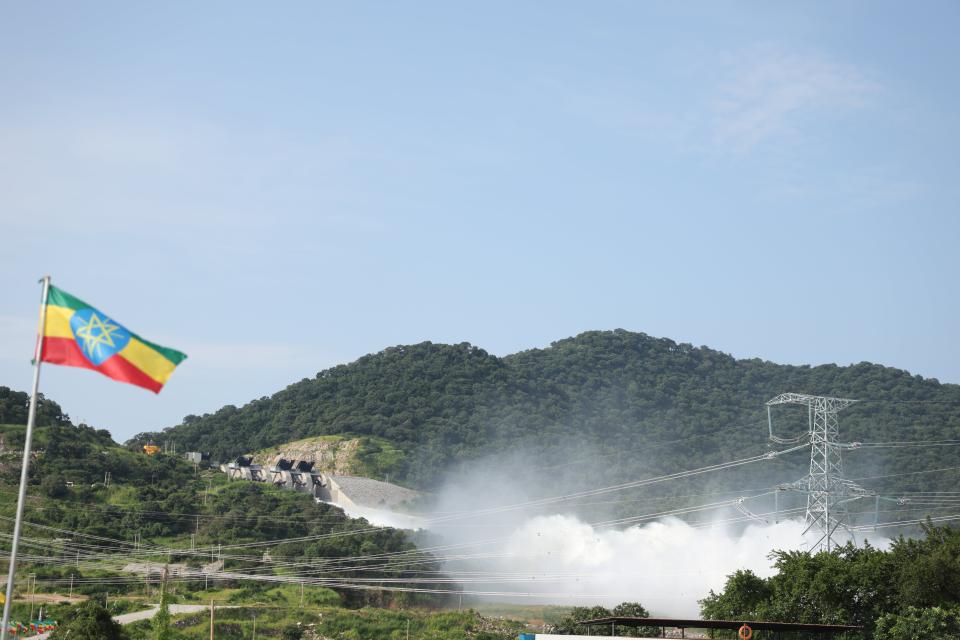
Egypt is stepping up its military, diplomatic and economic presence in the Horn of Africa. In recent months, Cairo has signed a series of economic and security agreements with countries in the region and is preparing to deploy troops to Somalia. These developments come at a time when Egypt is locked in a long-standing water dispute with Ethiopia over the Grand Ethiopian Renaissance Dam, which was inaugurated in early September this year. At the same time, Ethiopia’s quest for a direct sea access has strained its relations with its neighbors, some of whom appear to be aligning with Cairo to counterbalance Addis Ababa.
If not carefully managed, these dynamics could have serious repercussions for regional stability. First, intensifying competition between Egypt, Ethiopia and other powers risks inflaming ongoing conflicts in Sudan and Somalia. Second, deeper Egyptian involvement could further strain Ethiopia’s already tense relations with its neighbours. Most concerning, an Egyptian military presence in Somalia raises the risk of miscalculation and the possibility of direct confrontation between Egypt and Ethiopia.
The Horn of Africa, already beset by multiple conflicts and crowded with external actors vying for influence, can ill afford a further escalation of geopolitical rivalries. Instability in the region would also have consequences far beyond its borders. The African Union, together with the European Union, China and the United States, should therefore use their influence, individually or in concert, to encourage Ethiopia and Egypt to return to negotiations on Nile dispute, help defuse regional tensions linked to Ethiopia’s quest for sea access, and prevent Somalia and Sudan from becoming arenas of proxy conflict.