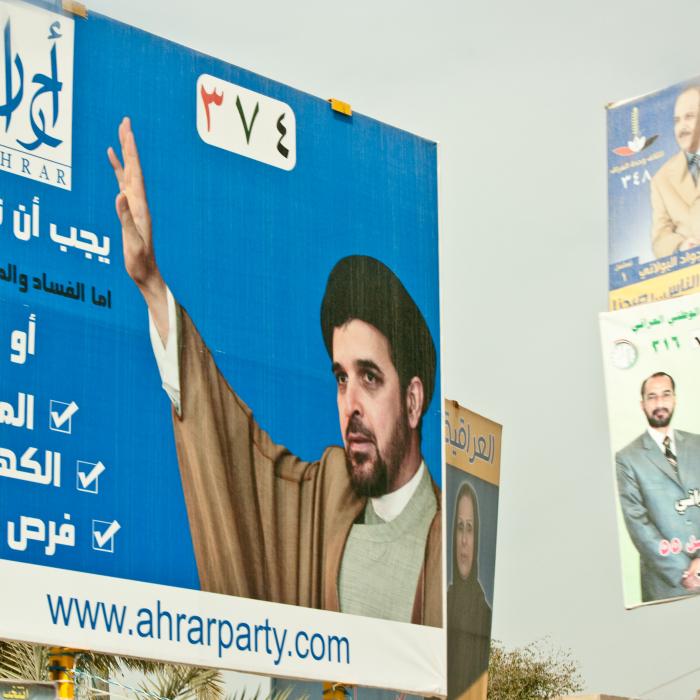
Iraq’s elections: greater fragmentation among the usual elite suspects
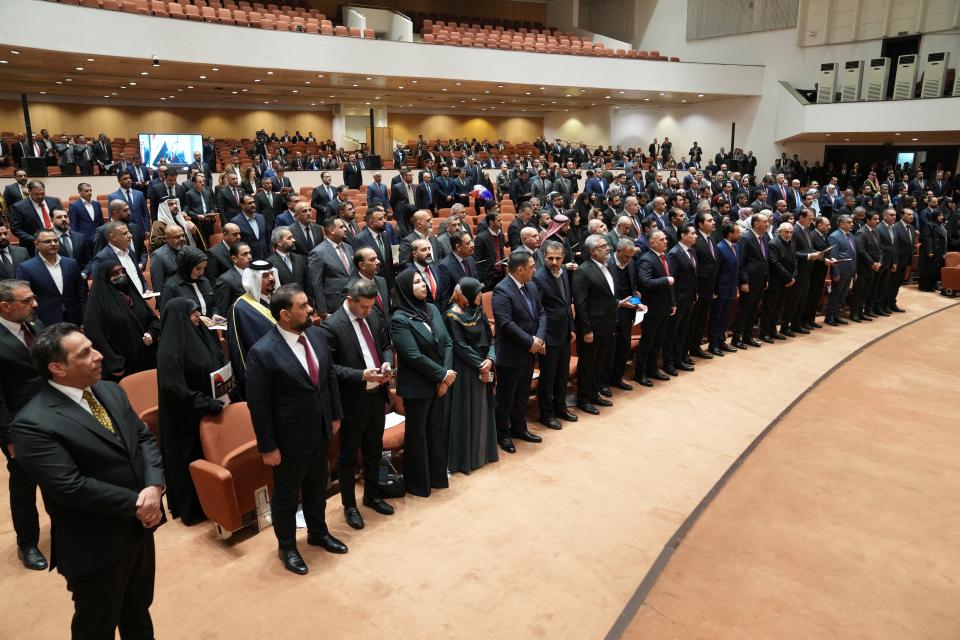
- Iraq’s 2025 parliamentary elections point to growing fragmentation: It featured many competing lists, no clear winner, and elites jockeyed for leverage rather than mandates
- Established parties remain dominant not due to popularity, but because structural factors favor well-resourced actors, like state-embedded networks, electoral rules, and deep financial pockets
- Intensified US pressure to curb militia influence and Iran’s efforts to preserve its political and energy leverage have narrowed the boundaries of post election bargaining
- Government formation depends on cross-bloc bargaining, not electoral results: Shia parties have the numbers, Sunnis can leverage the parliamentary speakership, and Kurds benefit from flexible political positioning
Iraq’s 2025 parliamentary elections offered a clear look at how political authority in the country is shaped in practice. While the vote determines the distribution of seats, the formation of a government hinges on the broader interplay between electoral strategizing, patronage networks and external actors with the ability to influence outcomes. This brief explores what the November 2025 vote suggests about the deeper structures influencing Iraqi politics – in particular why fragmentation persists (and seems to increase), how post-election bargaining unfolds and what the ensuing dynamics may mean for the shape and limits of the next governing coalition.
Who really won?
Iraq’s 2025 election did not have a clear winner and hence produced a parliament without an obviously dominant party. Fragmentation shaped each successive stage of the electoral process: nominations, campaigning, voting and, ultimately, the composition of parliament. With around 7,744 candidates and 75 lists on the ballot, most parties ran with ideologically incoherent electoral lists centered on prominent (but not necessarily popular) figures and assorted hanger-on candidates: Islamists sat alongside liberals, tribal notables next to former independents, and even celebrities and media personalities had their place. These lists were not designed to articulate a shared program but to gather as many votes as possible from disparate constituencies.
Authors

Related
See all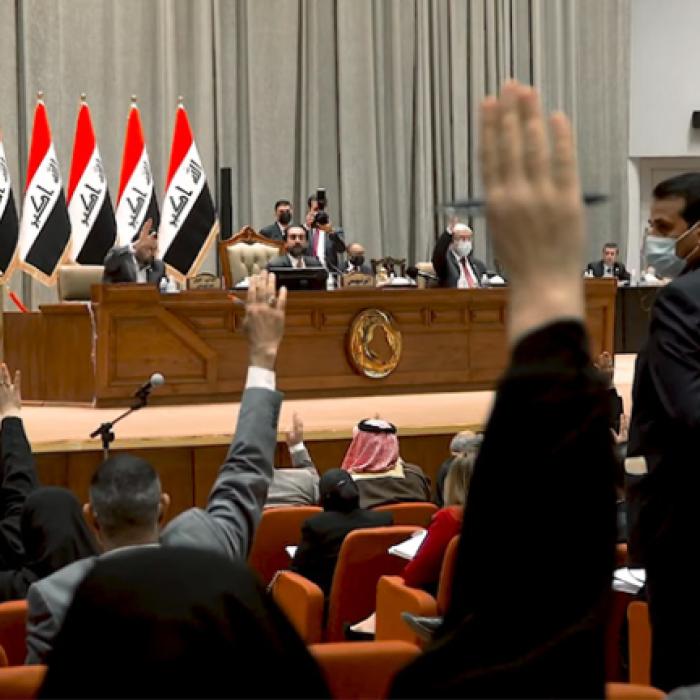
The New Iraqi Opposition
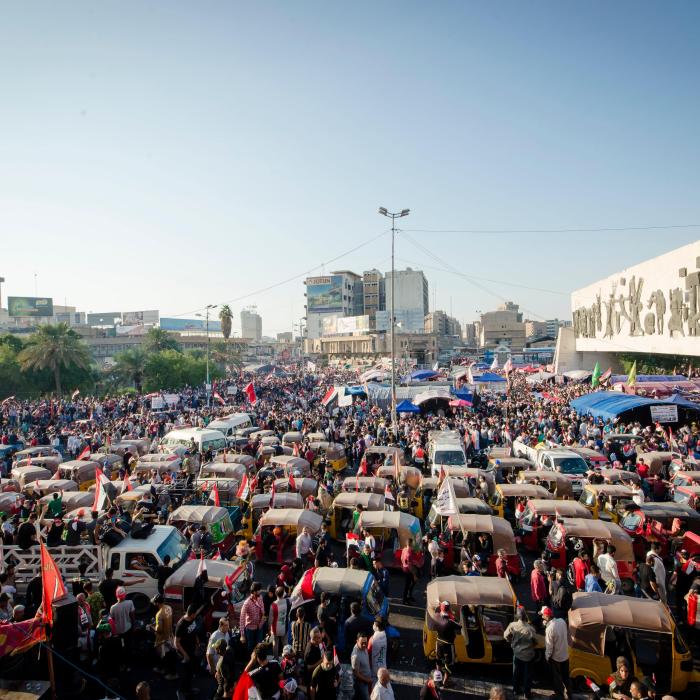
Iraq's adolescent democracy