Clingendael and Munich Security Conference host ministerial panel on the sidelines of the NATO Summit in Ankara
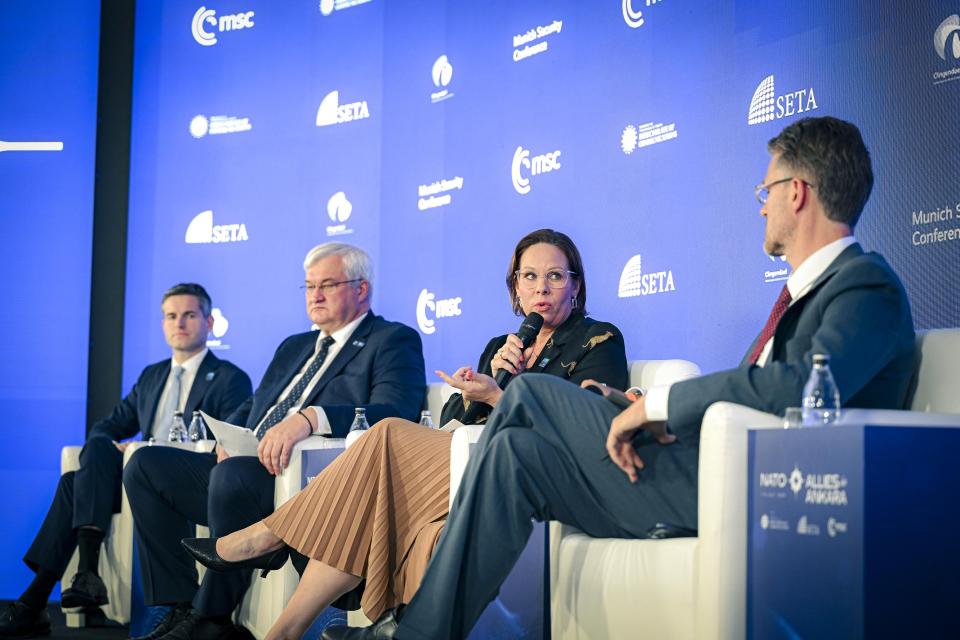
How is Ukraine’s role in European security changing, and what does this mean for the future of Europe’s security architecture? These questions were at the centre of a panel discussion “Turning the Table: Ukraine as a Security Provider for Europe, Rethinking Dependencies” jointly organised by the Clingendael Institute and the Munich Security Conference (MSC).
This event took place at the “Allies in Ankara” conversation hub hosted by the MSC and the SETA Foundation in central Ankara, where the discussions of the NATO Summit 2026 were complemented and continued.
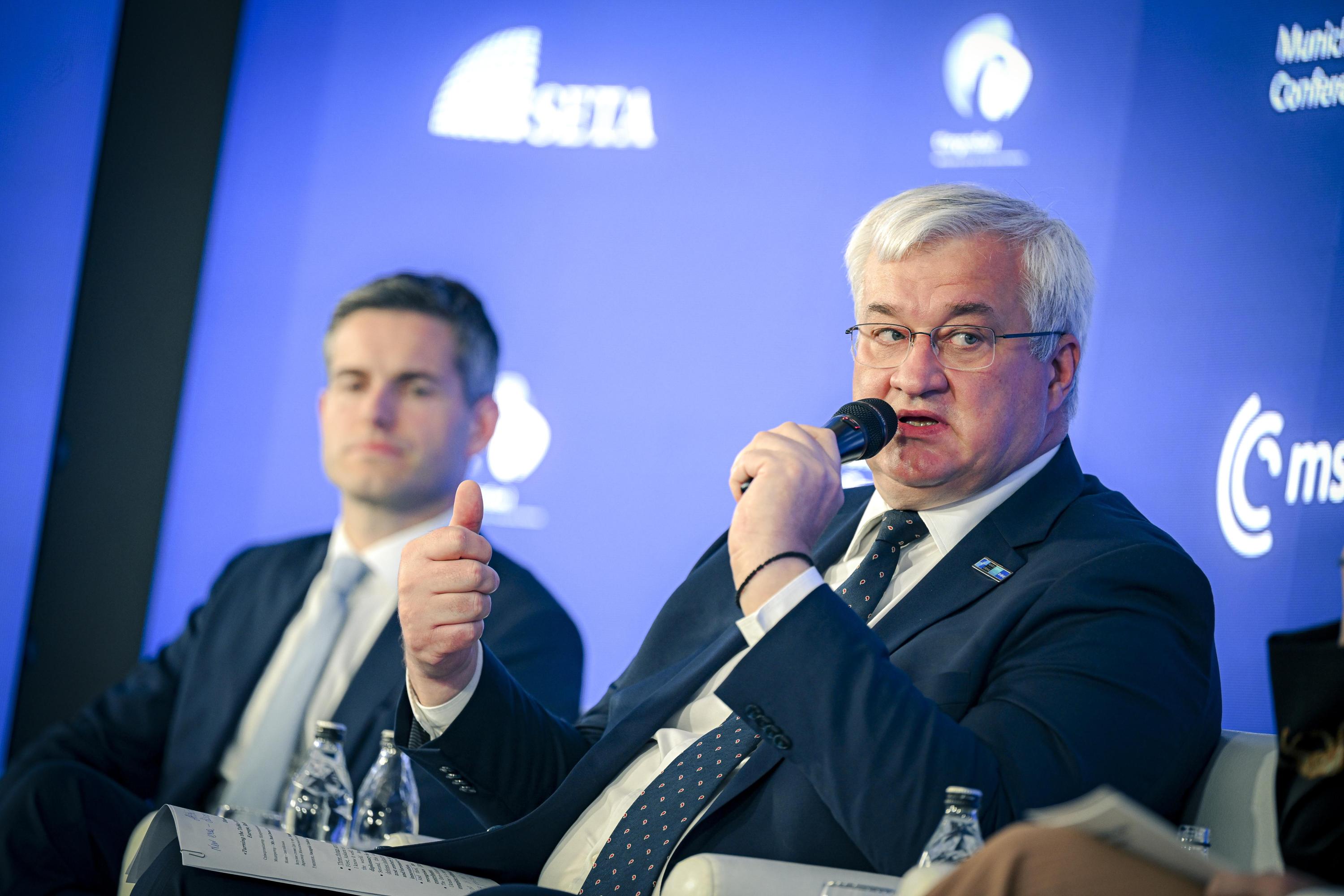
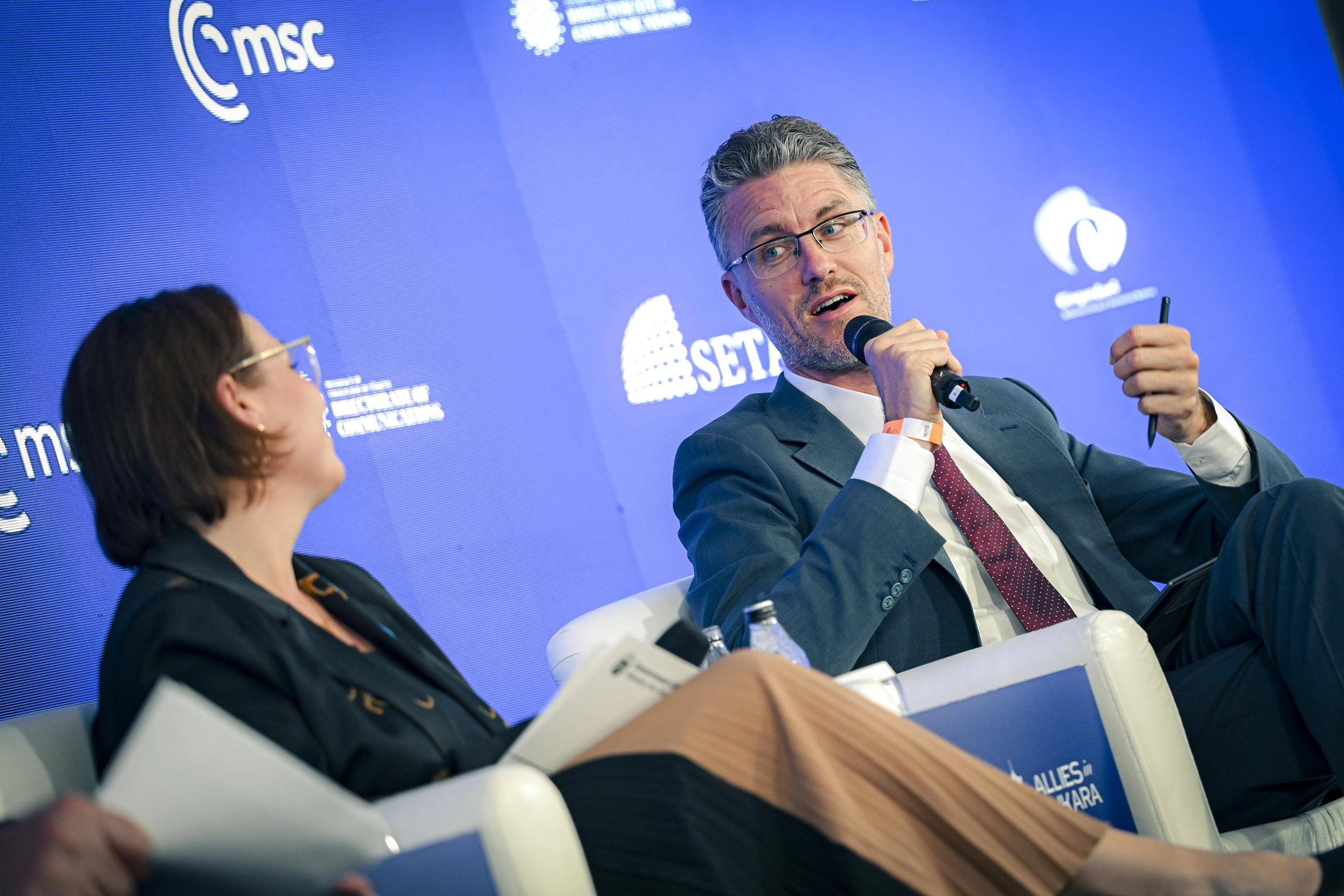
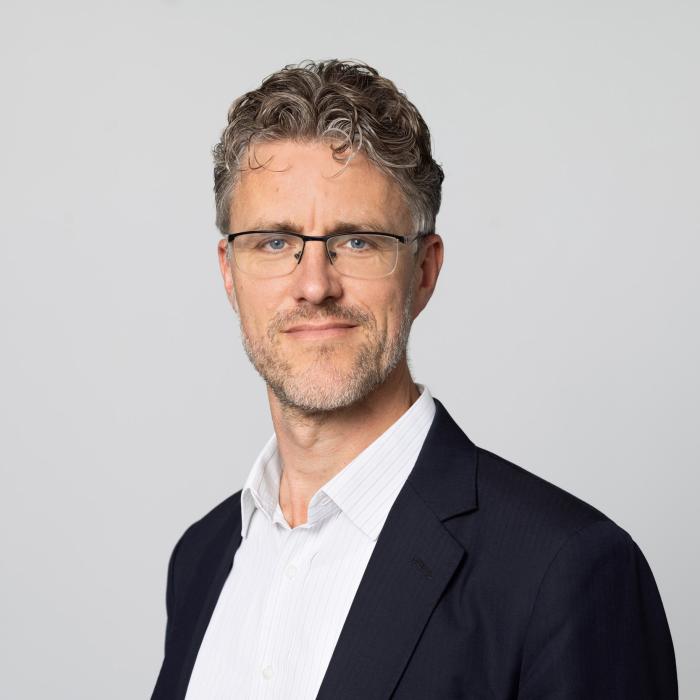
The discussion, moderated by Bob Deen, General Director of the Clingendael Institute, brought together H.E. Andrii Sybiha, Minister of Foreign Affairs of Ukraine, H.E. Maria Malmer Stenergard, Minister for Foreign Affairs of Sweden, and H.E. Tom Berendsen, Minister of Foreign Affairs of the Netherlands.
The panel discussed whether Ukraine could make the transition from being a recipient of security assistance to becoming a provider of security for Europe. Speakers discussed how Ukraine’s battlefield experience, military innovation and rapidly developing defence industry — particularly in the field of drones — are reshaping cooperation between Ukraine and its European partners.
The ministers also addressed the implications of this shift for European defence and “NATO 3.0”. Considering the changing US force posture and role in conventional deterrence, the panellists discussed how Ukraine could help address some of Europe’s most pressing capability gaps. At the same time, the ministers underlined the continued importance of sustained political, financial and military support for Ukraine in light of Russia’s continued aggression.
Looking ahead, the panel explored the conditions for a just and lasting peace, the future of security guarantees, and Ukraine’s role in the European security order. Particular attention was given to Ukraine’s NATO and EU aspirations and to the question of Europe’s future security architecture.