Why Clingendael Academy created a new course on global climate diplomacy
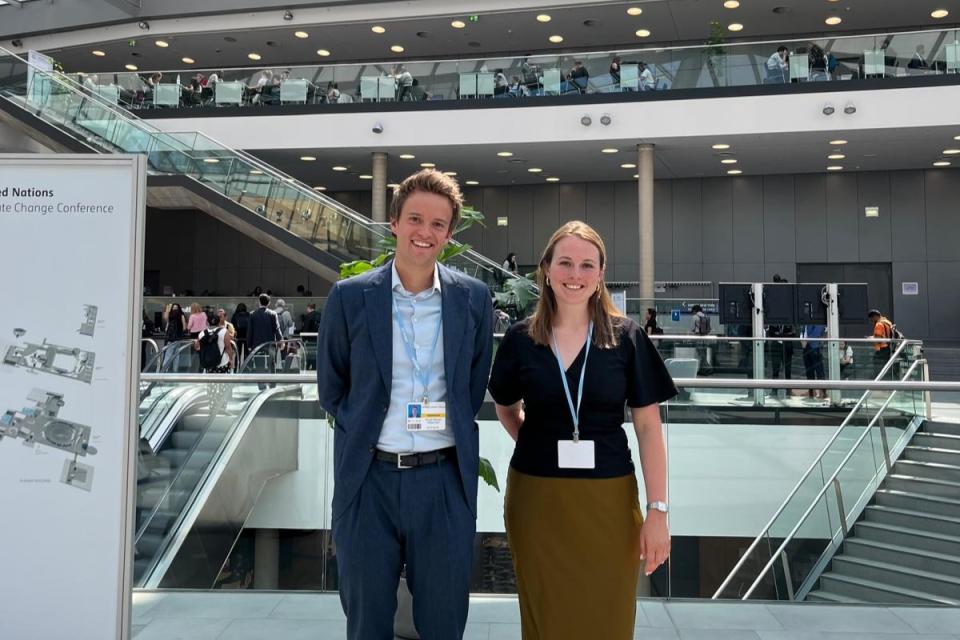
Climate diplomacy is evolving rapidly, and professionals need more than technical knowledge to make an impact. Trainer Wietse Slob explains why Clingendael developed the new Global Climate Engagement course, what participants will learn, and why practical negotiation skills are becoming essential in today's climate landscape.
"Climate negotiations are especially complex, technical, and politically sensitive"
Who are you and what is your role at Clingendael?
"I am an Academy Fellow at Clingendael where I design and deliver training and capacity building projects for various professionals and diplomats. In close collaboration with our research department, we offer trainings on various topics including climate diplomacy, blue economy, and sustainable development. We train groups from all over the world, at our institute in The Hague, on location, and online."
What is the new course Global Climate Engagement about?
"The Global Climate Engagement course is a hands‑on open registration training designed to prepare professionals for international climate diplomacy and negotiations. It combines theoretical insights in global climate governance with very practical skills, such as negotiation, influencing, and coalition‑building. These are needed to operate in multilateral settings like the United Nation Conference of Parties (COPs)."
"The course uses a blended format with e‑learning, expert sessions, workshops, and realistic simulations. As in all Clingendael courses, participants don’t just learn about climate diplomacy, but really practice it."
Why did the Academy decide that a course on this topic is important/necessary?
"Climate change is reshaping international relations, economics, and security. As a result, diplomacy around climate has become more complex, more political, and more urgent. We see that many professionals already have subject‑matter knowledge, but they often lack the practical skills to navigate high‑stakes, multilateral negotiations and influence outcomes effectively. Vice versa, some participants are highly skilled in negotiating or influencing, but lack technical knowledge on climate subjects. This course responds to that gap by combining 'how to engage' with 'what to know'."
"Clingendael has a long‑standing expertise in international negotiation and climate diplomacy, so this programme prepares you to operate effectively in today’s fast‑evolving climate landscape."
What makes climate negotiations different from other types of negotiations?
"Climate negotiations are different because they involve almost every country and many different actors, from governments to scientists and NGOs. The stakes are very high, with decisions affecting the global economy and future generations."
"At the same time, countries have very different interests, and the negotiations are closely tied to complex scientific evidence. Combined with formal processes like the COP, this makes climate negotiations especially complex, technical, and politically sensitive."
Who is the course for?
"The course is aimed at professionals who engage, or want to engage, in international climate processes. Basically anyone who needs to understand and influence climate discussions at the global level will benefit from participating. Think of NGO and civil society representatives, diplomats and other government officials, policy advisors, and private sector professionals."
Can you give a sneak peek?
"Participants can expect a highly practical and interactive learning experience. The programme is built around a self-paced online e-learning component including the latest developments in climate diplomacy, complemented by a series of live, interactive online sessions."
"For example, participants will take part in simulations of real UN climate negotiations, representing different countries and stakeholder interests. They will also practice building coalitions, crafting persuasive interventions, and understanding how informal dynamics shape negotiation outcomes. Throughout the programme, participants receive feedback from experienced trainers and practitioners."
Interested in Climate Diplomacy?
If you are interested in exploring how these observations translate into concrete strategies and skills, we will be unpacking this further in our online course on Global Climate Engagement this October. There are limited spots available!