The GCC between competition and coordination amid regional instability
- Relations between the Gulf countries have improved significantly since 2021, but underlying economic and geopolitical competition dynamics remain in place
- The Gulf rift’s fallout and economic priorities push leaders to balance coordination with national interests
- Saudi Arabia, the UAE, and Qatar play key roles in Middle East conflicts and post-conflict areas
- The EU should engage all Gulf Cooperation Council (GCC) states and factor in their role when shaping regional policies
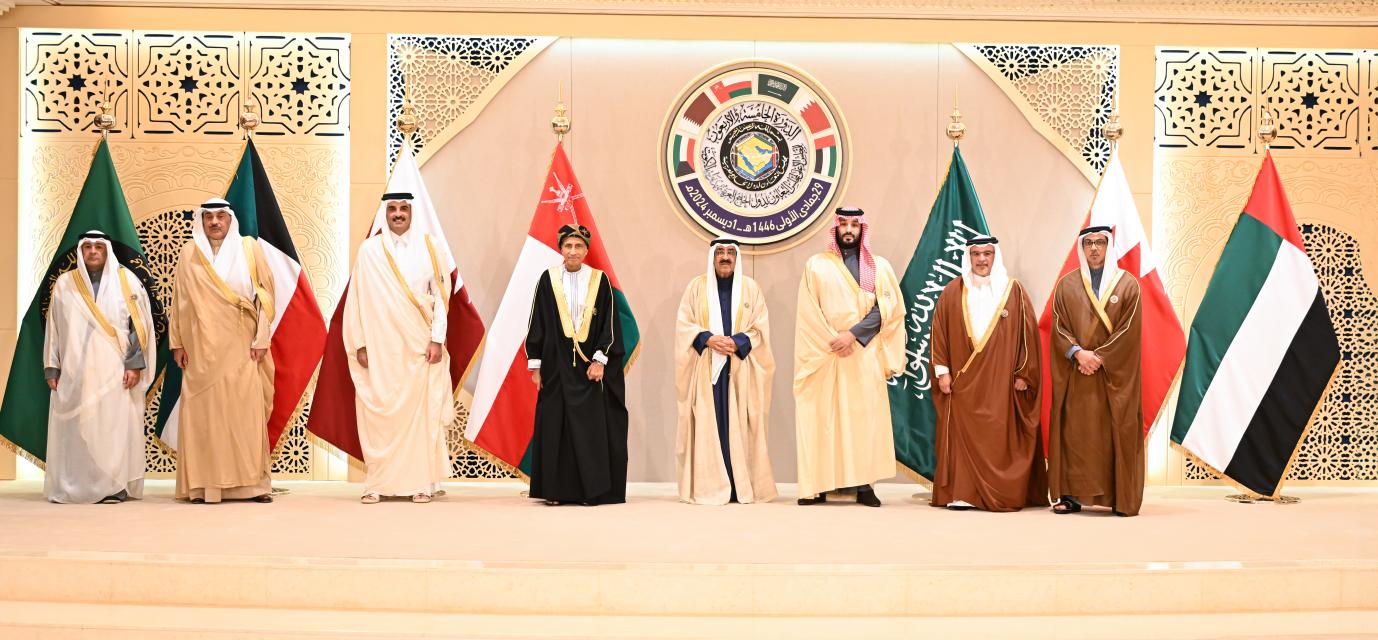
After its 45th annual meeting in December 2024, the Gulf Cooperation Council (GCC) seemed more united than in decades. This was no small feat just three years after the conclusion of the Gulf rift that brought Saudi Arabia, the United Arab Emirates (UAE) and Qatar to the brink of armed conflict. Today, Kuwait, Oman, Qatar, Bahrain, Saudi Arabia and the UAE are keen to project good relations, vast potential for collaboration, and stability. However, more competitive intentions lurk beneath the surface of such apparent unity, especially between Saudi Arabia, the UAE and Qatar. As political concerns shift from the Arab Uprisings-induced civil wars and political crises to economic development and international connections, the major Gulf economies find themselves in a fierce rivalry with each other. Understanding where their perspectives on various armed conflicts, national development and regional prosperity coincide and where they diverge is vital to identify how their balance between competition and collaboration may work out, with ensuing consequences for the stability of the Middle East as the European Union (EU)’s immediate neighbour.
Authors

Related
See all
Drivers and strategic puzzles of Saudi modernization