Sudan’s agricultural input supply in times of war
- Millions are starving in Sudan, while humanitarian aid struggles to reach those in need
- Local food production, usually the main source of food for local consumption, is heavily disrupted by the war
- Unless farmers can access affordable quality seeds and inputs to grow more food, famine will continue to spread
- Donors, UN agencies and NGOs should work with the Sudanese private sector to get inputs to farmers, incl. across frontlines
- This needs to be done in a conflict-sensitive way
Proposed interventions to counter the unfolding famine
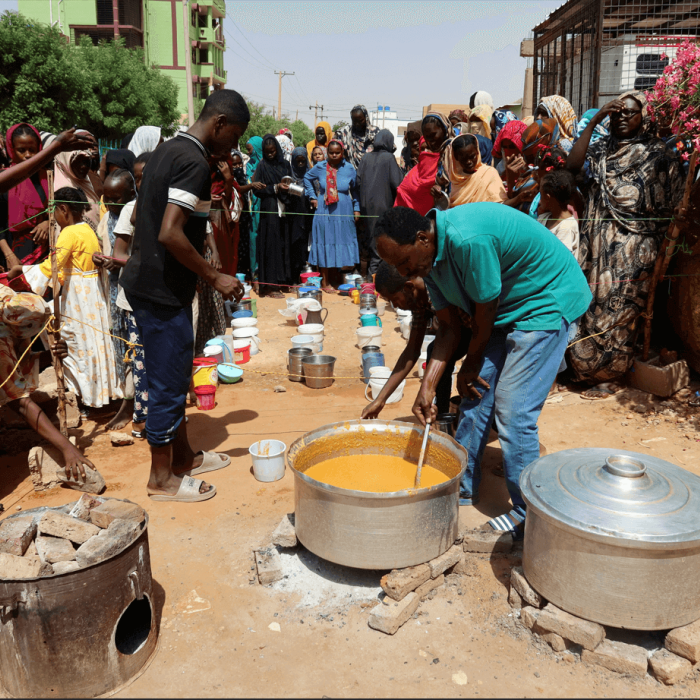
Over a year and a half since the outbreak of the war in Sudan, food insecurity has reached unprecedented levels. Famine has been declared in multiple areas and experts warn that the country faces a food deficit of 750,000 m t this year, which is expected to increase to 1.9 million m t next year. According to the UN, over half of the population, approximately 25 million people, face acute food insecurity. With no end to the fighting in sight, the situation is likely to further deteriorate.
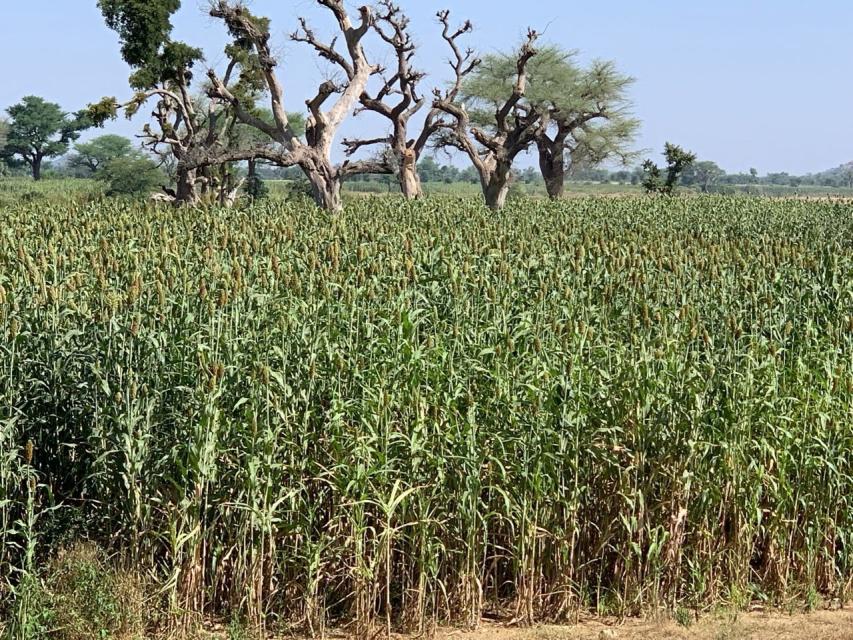
As the war continues to rage in Sudan, farmers in some parts of the country have begun harvesting. Despite the ongoing fighting and the risks and uncertainties that this entails, the cultivation areas in the safer regions in the North and East have been expanded during this summer season, compared to before the conflict, due to the massive influx of refugees and the growing need for food and income. This is very much needed, since insecurity in large parts of the country prevents farmers from growing their crops. Nonetheless, multiple challenges threaten to undermine the current and future harvests.
This study offers insights into Sudan’s agricultural input supply markets to inform preparations for the upcoming seasons. In addition, this research aims to contribute to a better understanding of the workings of the supply market for agricultural inputs. It presents first-hand evidence regarding key agricultural inputs, namely seeds, fertilisers and agrochemicals and explores how input supply has been affected and continues to be affected by the war.
The aim of the study is to present entry points for donors and implementing partners to ease and improve the timely provision of critically needed agriculture inputs for the upcoming seasons. To this end, the report maps out Sudan’s agricultural input supply market before the war, assesses how input supply has been affected by the war and how chain actors have adapted to this impact, and concludes by presenting possible external interventions to optimise the agricultural input supply in the upcoming seasons.