


International crisis communication & crisis management
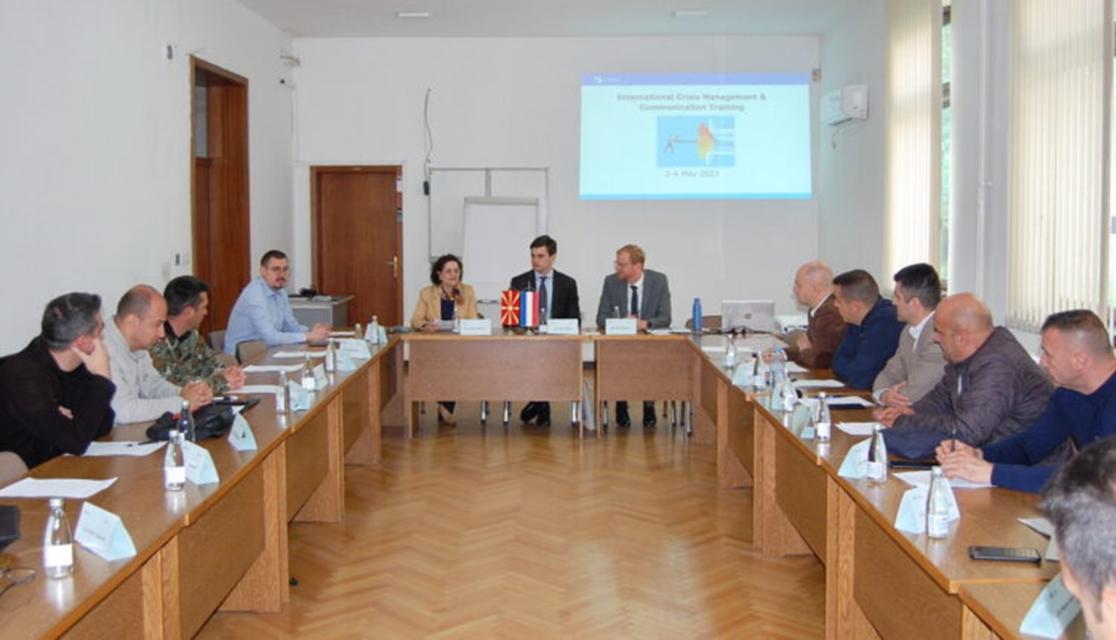
Natural disasters. Civil unrest. Armed conflict. How can professionals prepare for the challenges and unpredictability when they find themselves, their staff or their citizens in a crisis situation? Crisis management and communication skills are essential for civil servants, spokespersons, diplomats and security professionals. Yet when managing a crisis across borders, or with international implications, intercultural, legal, political and logistic concerns may further complicate their response. Preparation and prior training is key.
Clingendael offers tailored training courses on international crisis management and communication that aim to enhance domestic and international cooperation in the face of crisis.
Why is a crisis management & crisis communication training crucial for civil servants?
Even when challenges suddenly and significantly outstrip your normal organisational capacity, you still need to respond. Timely communication and the quality of your crisis management are key. Getting it wrong, or taking too much time to get it right, may significantly impact your safety, as well as the long-term reputation of your organization. Investing in the skills of your professionals in advance is crucial. We help civil servants, diplomats, policy experts, security executives, and others be prepared. Having followed our training, they will be ready for future incidents or crises, so they can make the right decisions, manage their organisations’ communication, preserve public trust, and help mitigate the impact of the crisis situation.
What is our approach at the Clingendael Academy?
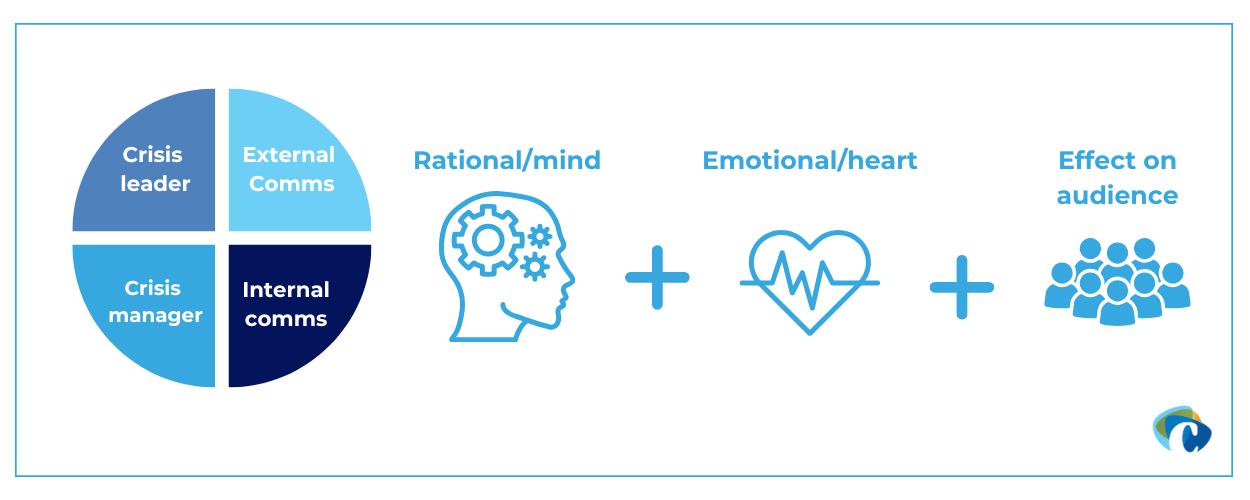
Preparedness and regular training are crucial components of the capacity needed for effective crisis management and crisis communication. During our trainings, participants practice their skills by actively engaging with escalating scenarios, distinguishing between levels of crisis management, and making effective decisions under pressure. Throughout, they work on comprehensive crisis communication: formulating key messages, balancing between rational and emotion elements, and dealing with the media are also part of the programme. Participants use various communication channels, such as press releases and social media, to practice reaching out to various audiences.

Who do we train?
- Junior, midcareer and senior level diplomats
- Participants from the security sector. Examples include the Ministries of Defence, Justice and Security, Foreign Affairs.
- International partner institutes who themselves deliver training on crisis communication and crisis management.
Tailored training for diverse participants
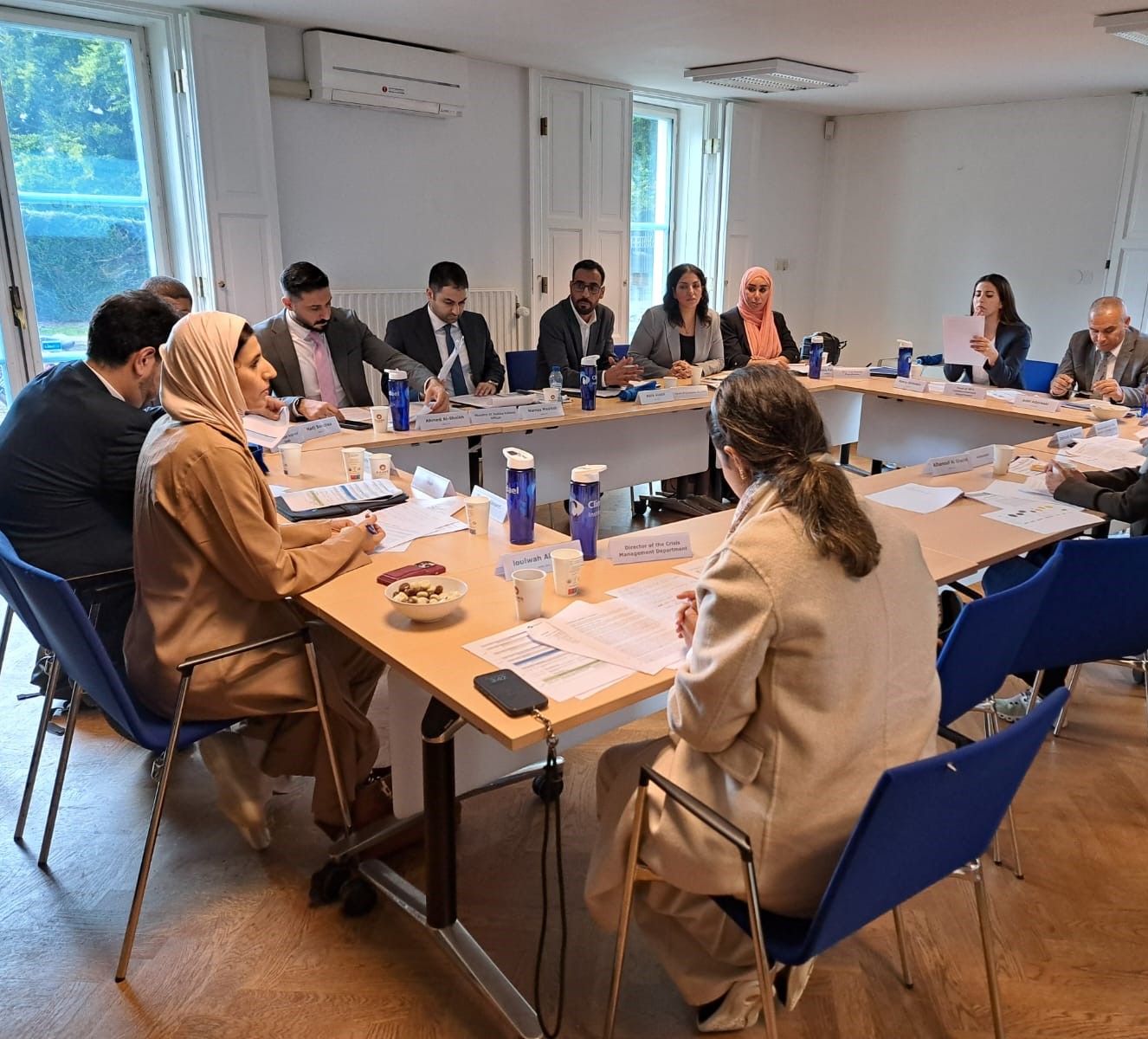
Clingendael Crisis Communication and Crisis Management trainings courses typically consist of 2-3 days and are designed to meet the individual learning needs of the participants. Different professionals require different capacities and understanding of their role in a crisis situation. Whether diplomats, security sector professionals, or others, our trainings adapts to specific training needs. We include region-specific and fictive cases, and collaborate closely with our partners to develop materials and cases relevant to them.
Training design pillars
- Understanding key concepts and best practices - Our trainers analyse key concepts and best practices in crisis management & communication to strengthen participants’ understanding of the field.
- Practicing in exercises and simulations - Practicing personal skills in crisis management & communication by means of interactive roleplays & simulations.
- Tailored to your needs and interests - A further discussion is held on the related needs and interests of the organization, foreign service or government body in the field crisis management & communication.
If you are interested to know more about this training, please email [email protected].

