Humanitarian Diplomacy Online Training for Aid Workers
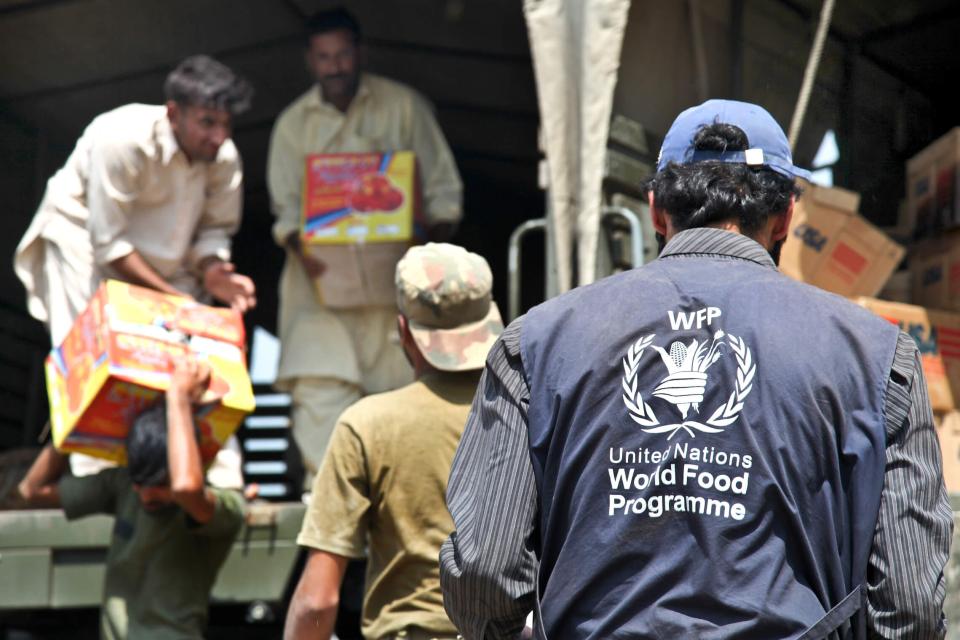
The interface between the humanitarian sector and the diplomatic world is continuously growing. Closer collaboration on humanitarian dossiers is needed to protect humanitarian space and are beneficial for both aid workers and those working in diplomacy.
But what exactly is humanitarian diplomacy and how do you “do” humanitarian diplomacy? Who are the relevant actors and what are their interests? What might be the challenges in such cooperation and how do you deal with those? At the Clingendael Institute, we are in the unique position to have worked with a diverse range of both diplomatic officials as well as humanitarians for many years on a regular basis.
This course will provide a deep dive into the interconnections of the humanitarian sector with diplomacy. If you work with diplomats, attachés or policy officers on topics such as advocacy, humanitarian policy issues, funding and donor strategies, then this course will provide you with a stronger foundation for your humanitarian diplomacy efforts.
What will you learn?
The objective of this training is to increase humanitarian aid workers’ understanding of humanitarian diplomacy and diplomatic practice, as well as to strengthen their capacity to cooperate effectively with diplomatic entities (representatives of a country's Ministry of Foreign Affairs, either working at the Ministry or at a representation abroad, such as an Embassy, or staff such as attaché’s or policy officers).
Is this course for you?
profile of participants:
• You are a humanitarian aid worker, working for a local, national or international humanitarian organisation;
• (One of your) responsibilities entail engaging with diplomatic entities (representatives of a country's Ministry of Foreign Affairs, either working at the Ministry or at a representation abroad (such as an Embassy) or staff such as attachés or policy officers);
• You engage with diplomats, attachés or policy officers on topics such as advocacy, humanitarian policy issues, funding and donor strategies;
• You interact with the mentioned officials at least on a monthly basis;
• You have full working proficiency in English;
• You have access to a stable internet connection and laptop for the entire course;
• Your organisation supports your participation for the entire course via an endorsement letter.
Aid workers from local NGOs and women are especially encouraged to apply.
When and how?
The training will be conducted online via Zoom on 12-13 and 18-20 May 2026 (5 days) between 10:00 and 16:00 o’clock CEST. The training language is English. Participants may be asked to conduct self-paced modules during the training in their own time. We make sure the course is interactive and includes sufficient breaks. Participants will receive a certificate after full attendance of the course. A stable internet connection is required to properly follow the training.
How to Register?
Prospective participants are requested to complete this electronic application form, which is automatically sent to the Clingendael course-coordinators. The application should be submitted in English.
There is space for 20 humanitarian aid workers in this course. If we receive more applications, we will make a selection based on the profiles. Kindly note that an endorsement letter from your working organisation is required to participate. There are no costs for registration and participation. This course is fully funded by the Netherlands Ministry of Foreign Affairs.
Questions?
Please contact Jan van ‘t Land ([email protected]), Aline de la Croix ([email protected]), and Lila Kasi ([email protected]).