


Faces of Clingendael: Eva Oldenbuerger
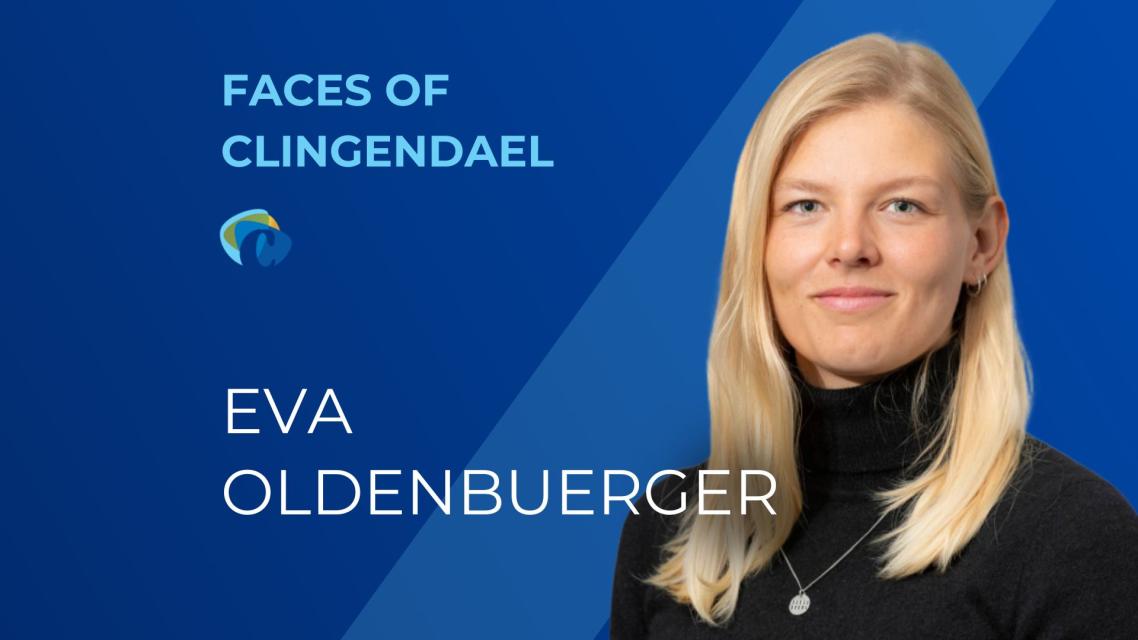
Who are our hard-working researchers and trainers and what drives them? You might have seen them in the media, explaining geopolitical topics or putting them on the agenda. We offer you a peek behind the scenes in our series Faces of Clingendael. Today with Eva Oldenbuerger from our Academy.
"The path into the humanitarian field is less straightforward than it used to be."
What is your role?
I am a Programme Fellow in the Humanitarian Negotiations Programme of the Academy. I develop, coordinate and deliver trainings for humanitarians and in recent years increasingly also for diplomats who work on humanitarian issues. There are a few trainings we deliver in The Hague, but I mostly train in locations such as Nigeria, Egypt or Iraq.
What motivates you to do this job?
I think the work is very much needed right now. Work for humanitarians is getting tougher, as conflicts increase in number and become lengthier and more complex. There is a massive funding gap, and humanitarian contexts are often politicised. The goal of our programme is to protect the space humanitarians have to do their work. On a personal level I love engaging with the people that we get to work with: very special people with interesting experiences.
Do you have interests outside of work?
I enjoy any kind of sports, but mostly water sports. I do windsurfing, kitesurfing, wing foiling, wave surfing and SUPing. I also have several water sports instructor licenses that made for a great international side job during my studies. I now mainly use those skills to support water sports charities that enable refugees or disadvantaged youth to get on the water. I also enjoy playing piano and petting as many dogs as I possibly can.
What advice would you give to people aspiring to work in your field?
The path into the humanitarian field is less straightforward than it used to be. The sector is trying to localise - meaning humanitarian jobs might not resemble the traditional frontline roles where you are in direct contact with the people who require assistance. Consider your motivation and protect it well. Consider who you are and ask yourself how you can best contribute to the sector? It might be through engaging donors or arranging logistics. If your motivation is strong, those jobs can be fulfilling.
Chiara Schrader our previous guest is this series, left this question for you: ‘What’s the most challenging in fostering understanding between humanitarian and diplomatic sectors?’
It’s striking that there usually is not a lack of willingness to work together, but the ‘how’ remains difficult. Humanitarians and diplomats work in entirely different structures. For example: humanitarian assistance is highly urgency-based while diplomacy is often more about relationship building and continuity. Finding ways to manage these tensions in order to act can be really challenging!
