Influencing without authority: Lessons from the Bonn Climate Talks
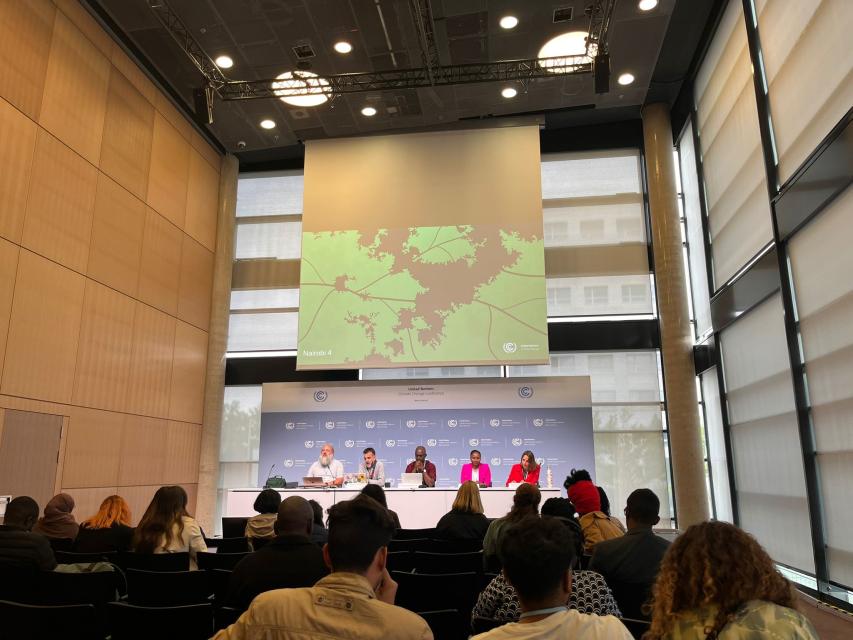
Two weeks ago, I represented the Clingendael Academy in Bonn following the UN climate negotiations, formally known as the 64th sessions of the Subsidiary Bodies. Not the most catchy name, but an important moment in the climate calendar.
What happens in Bonn?
The June meetings are sometimes described as the “technical halfway point” towards the annual COP (Conference of the Parties). In both spaces, countries negotiate on global climate agreements, and you will find a similar ecosystem: negotiators, civil society, academics, and observers, all trying to move things forward. There are side events, informal conversations in hallways, a fair bit of WhatsApp diplomacy, and carefully worded interventions in meeting rooms.
But Bonn is also smaller, less hectic, and more technical. If COP is where mandated political decisions are finalised, Bonn is where much of the groundwork is laid. Text is negotiated, brackets are added or removed, and issues are prepared to be “sent forward to Antalya”, where the next COP will take place and the final decisions are meant to be taken.
The UNFCCC process is a very rule-based, multilateral space
This was my second time attending the Bonn sessions. The first time, it’s almost guaranteed you will feel overwhelmed: by the number of rooms, acronyms, references to previous resolutions, and parallel conversations alone. The second time around, it starts to feel a bit more navigable.
Most people attend with a clear focus on a specific negotiation track: mitigation, adaptation, just transition, or something more niche. “Which track are you following?” is probably the most common question you will hear. I had a slightly different aim.
As a trainer on advocacy and influencing, I was less focused on one negotiation track and more on observing how influence actually plays out across the conference. How do issues make it onto the agenda? How do actors position themselves? And what does that mean for how we teach influencing at Clingendael?
One key insight stood out: how influence operates in systems where many actors lack formal authority.
Influence in a Highly Structured Space
The UNFCCC process (the UN Framework Convention on Climate Change, which hosts these negotiations) is a very rule-based, multilateral space in which negotiations take place between Parties – the countries that are signatories to the Convention. There are clear procedures that determine who get to speak, when, and who is allowed in which room. That structure shapes the influencing tools that are available. It’s not just about having a strong message, but also about knowing when and where you are able to deliver it.
For civil society actors, there are roughly three main channels to gain access to negotiators. They can leverage their institutional access through their reputation, which is especially useful for larger international NGOS or networks, so that they might offer topical expertise. They can also work through their national delegations, establishing bilateral contacts over a longer period based on their shared nationality. Finally, they might engage through the system of constituencies.
The more often an idea is repeated, the more likely it is to find its way into the negotiations
Especially the constituencies are an interesting feature of the UNFCCC system. They are groupings of civil society organisations that coordinate around shared interests. There are nine in total. For example, YOUNGO represents children and youth, the Women and Gender constituency focuses on gender equality, and RINGO brings together research organisations.
These groups organise internally to exchange information, align messaging, and amplify each other. In practice, that can mean setting up bilateral meetings with negotiators, sharing updates in real time, speaking during allocated time slots in negotiations, or organising demonstrations (often referred to as “actions”).
As someone put it to me during the week: the more often an idea is repeated, in different rooms and by different actors, the more likely it is to find its way into the negotiations.
Influencing Without Authority
These dynamics closely mirror how we approach influencing at Clingendael. We define it (borrowing from the work of Robert Cialdini) as the process of affecting people’s actions, behaviour, or opinions, with or without formal authority.
That last part is what I kept circling back to while in Bonn.
The most vulnerable countries have limited formal power, yet have become highly effective negotiators
Formal authority obviously matters in these negotiations but it’s not the full story. Many of the actors that are most affected by climate change in the process have limited formal authority. Civil society organisations, for example, are only allowed to speak at the end of each scheduled negotiation session through their constituencies. Still, they find ways to shape outcomes through their collaborative power. In that sense, influencing becomes the tool of those on the margins of decision-making procedures.
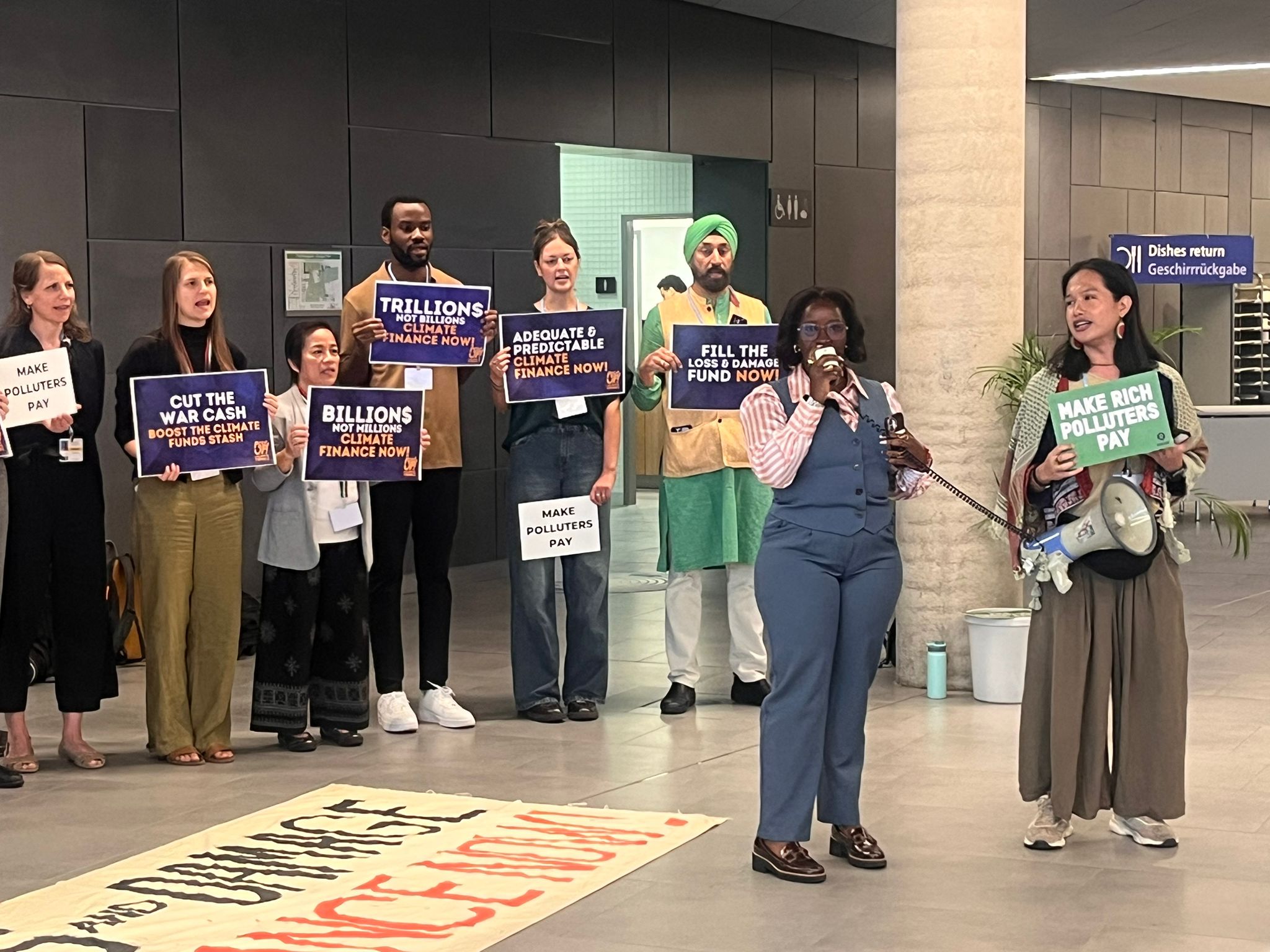
This does not only apply to civil society, but also to negotiation groups. Countries that are most vulnerable to climate change have often contributed the least to causing it. These countries, often part of groups such as the Least Developed Countries (LDCs) and Small Island Developing States (SIDS), in many cases have limited formal power on their own yet have become highly effective negotiators within the system.
Over time, some actors have strengthened their position by building credibility and authority in other ways: through coordination, credibility, and consistency.
The SIDS group, for instance, has played a key role in pushing issues like loss and damage onto the agenda and in shaping concepts such as the “blue economy”, partly by positioning themselves as a group of knowledge leaders on the realities they face.
For me, it reinforced a simple but important lesson: influence rarely follows formal hierarchies. It follows persistence, coordination, timing and, most importantly, showing up consistently with a clear message.
Interested in Climate Diplomacy?
If you are interested in exploring how these observations translate into concrete strategies and skills, we will be unpacking this further in our online course on Global Climate Engagement this October. There are limited spots available!