The Integration of IDPs into host communities in Ouahigouya, Burkina Faso
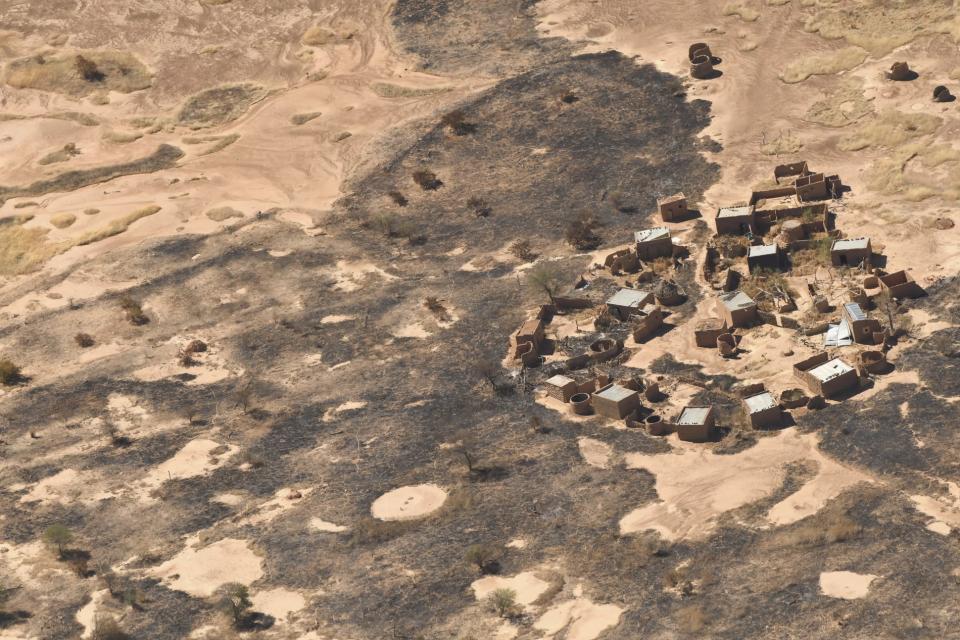
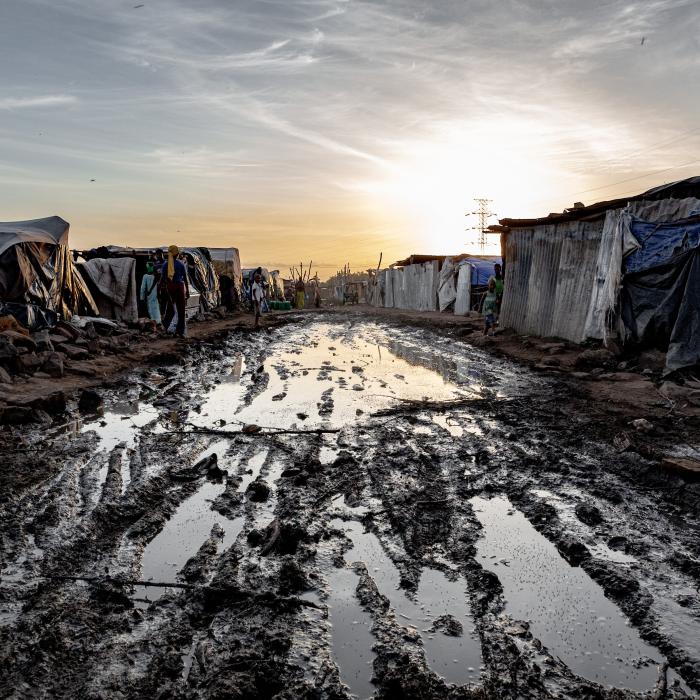
- Burkina Faso faces an unprecedented displacement crisis, with over 2 million people forced from their homes. Ouahigouya, the capital of the Nord region, has become a focal point, hosting more than 144,000 internally displaced persons (IDPs) by early 2023 (latest figures available).
- The prolonged presence of IDPs has intensified competition for limited resources, and the stigmatization of displaced Fulani has created friction between IDPs and host communities.
- Coordination gaps and resource constraints limit the impact of efforts by local authorities, religious and traditional leaders and humanitarian organizations.
- A multi-pronged approach is crucial to address displacement, prioritizing equitable aid, social cohesion, and trust-building while investing in infrastructure and local governance.
Over the past decade, the Central Sahel region has been plagued by high levels of violence and resulting displacement crises. Burkina Faso has become the epicentre of this crisis. The growing number of Internally Displaced People (IDPs) represents a significant challenge for the government and the humanitarian community but also for host populations. One of the central issues has become the management of the displacement crisis and the integration of IDPs into host communities. Providing humanitarian aid, durable solutions for IDPs, and promoting social cohesion are key to preventing instability and protecting citizens' rights. However, there is little discussion and analysis of the existing and potential problems that arise due to the settlement of IDPs among host communities.
This report examines the integration of IDPs into host communities, focusing on tensions over resources, social cohesion, and the efforts to resolve these challenges. It highlights progress made by the Burkinabè Government, humanitarian organizations, and grassroots mediators, such as community protection mechanisms and access to schools and healthcare. However, issues like uncoordinated return efforts, insufficient data, and ongoing security threats persist.
This report aims to deepen the understanding of local governance by examining the range of actors involved in the integration of IDPs into host communities. More broadly, it seeks to inform policymakers about the current situation of internal displacement in Ouahigouya, to identify the challenges that IDPs and host communities encounter, and to recommend actionable solutions.
Authors

External authors
Related
See all