A critical friendship needs no courtship: Alignments and misalignments in EU-UAE relations
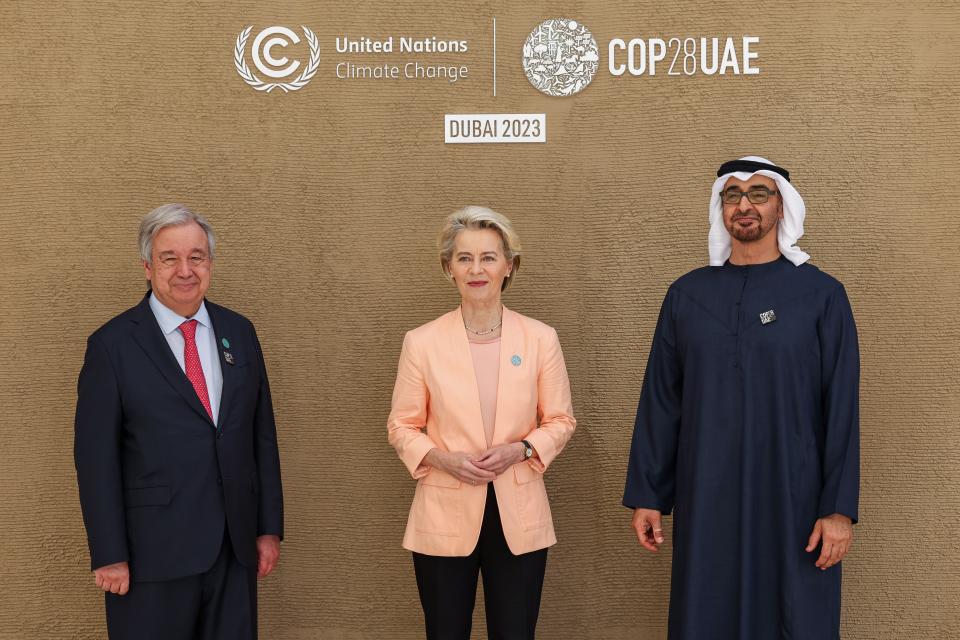
- The EU tends to see the UAE as a strategic partner, with both sides highlighting alignments over (even significant) divergences
- Cooperation on economic affairs, green transition, maritime security, and counter-terrorism is relevant for both sides and can be deepened
- At the same time, there is no strategic dependency that limits the EU’s ability to address issues of divergence more boldly
- A more frank and pragmatic European approach – avoiding both lecturing and neglect – can improve relations in the long term
Amidst an ongoing push by the European Union (EU) to intensify ties with the United Arab Emirates (UAE), European decision-makers tend to overemphasize the alignments between the two sides while neglecting the (often significant) divergences. This policy brief offers a nuanced picture of European-Emirati relations, identifying key domains of alignment (i.e. economic cooperation, maritime security, counter-terrorism) and misalignment (i.e. the approach to great power politics and to various regional crises, and the proliferation of quasi-licit or illicit activities in the UAE). Overall, the analysis suggests that while the UAE is an important partner for the EU, there is no strategic dependency that limits the EU’s ability to seriously address controversial issues. Avoiding the false dichotomy of more or less cooperation, the EU can and should deepen collaboration with the UAE in domains of common interest, while also more boldly addressing the critical issues that affect its interests. To this end, the EU can focus on two areas of engagement that are particularly relevant for the UAE: economic partnership negotiations and the EU’s listing of the UAE as a country with strategic deficiencies in countering money laundering.
Authors


Related
See all
Saudi and Emirati engagement in Iraq