Remote hires, stronger ties: ICT nearshoring in bilateral migration partnerships

- The Netherlands faces structural ICT shortages exacerbated by an ageing population and increased digitalisation
- Traditional levers such as labour migration are becoming increasingly costly - a challenge especially for SMEs - and put more strain on housing and social welfare
- Emerging African markets offer large, underused ICT talent pools that can strengthen Dutch competitiveness through remote integration via nearshoring
- To realise this potential, the Netherlands should embed nearshoring in bilateral migration partnerships and create structured, government-backed cooperation frameworks
This publication is part of the series 'ICT nearshoring in bilateral migration partnerships'.
This brief lays out the steps necessary to successfully implement nearshoring as a mutually beneficial tool in migration partnerships. Nearshoring refers to a company meeting its staffing needs by hiring and integrating personnel in another country through remote work arrangements. On the Dutch side, it can help ease shortages in the ICT sector and allow businesses to tap into competitive global talent pools – without adding additional pressure to the housing market or social services in the Netherlands. On the side of the partner country, nearshoring helps create more work opportunities in the ICT sector, stimulating the economy as wages are spent at home, and supporting business activity by closer international cooperation.
Figure: Dutch labour shortages
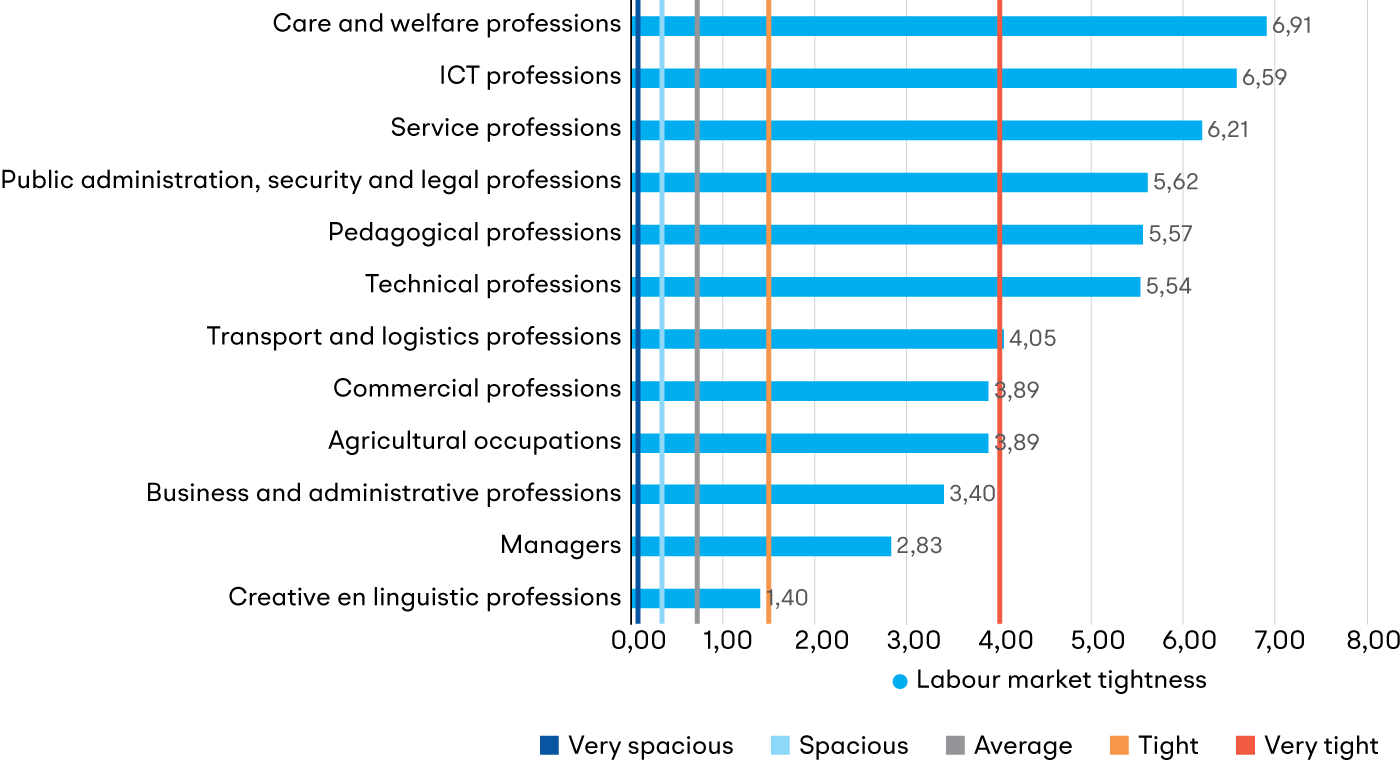
This brief will present three case studies, beginning with Egypt followed by Nigeria and Tunisia. It builds on an initial study that explored the possibilities of nearshoring in Egypt, one of the Netherlands’ partner countries.[3] The chosen countries boast a strong pipeline of ICT professionals as well as a strategic interest in digital cooperation. In combination with time-zone alignment and proficiency in English, they offer Dutch firms a promising basis for partnership. The brief outlines both opportunities and barriers of partnering in nearshoring and explores relevant measures and solutions.
Read the policy brief with general overview
More publications in this series
Stay tuned for the case study Tunisia.
Authors


Related
See all
Egypt: ICT as a driver for growth

Nigeria, Netherlands, Nearshoring: assessing Nigeria’s remote ICT potential