What the Russian drone incursion into Poland means for NATO
Testing the threshold
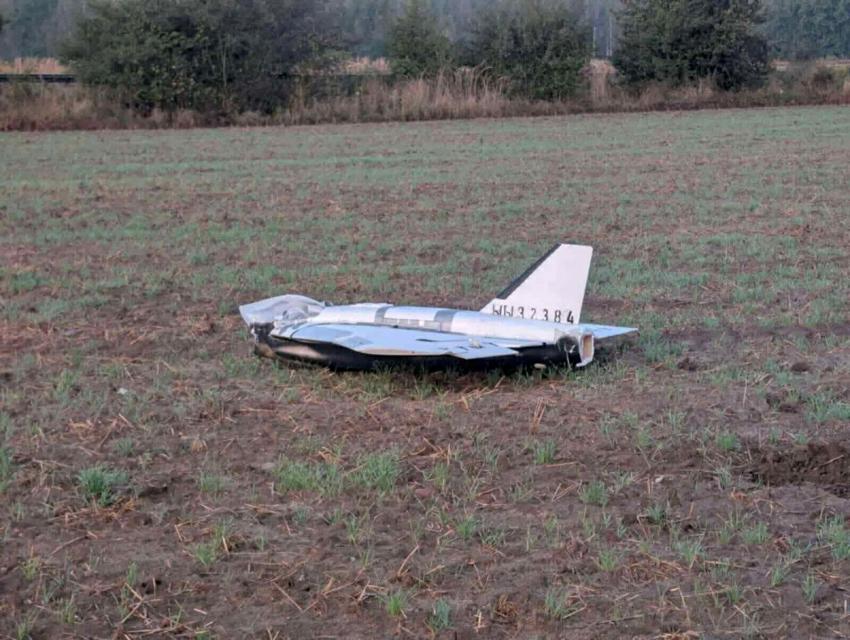
- Over a dozen Russian drones violated Polish airspace overnight between September 9 and 10, prompting a NATO response. Some drones were successfully shot down, while others evaded interception.
- The drone incursion illustrates Russia’s strategic calculus of pushing boundaries and probing allied defences. By doing so, Russia aims to test NATO’s unity and resolve over time, deliberately eroding established international norms.
- NATO faces the difficult task of demonstrating credible deterrence while managing escalation dynamics, maintaining alliance solidarity, and preserving the principles that underpin collective defence.
During the night of Tuesday, September 9th to Wednesday, September 10th, over a dozen Russian drones violated Polish airspace. NATO fighter jets, among them Dutch F-35s, scrambled to intercept the incursion. Albeit relying on costly weaponry, NATO fighters swiftly shot down a couple of drones, while a dozen others managed to slip through. One of the missiles of a Polish F-16 possibly misfired, hitting a house instead. Despite the initial reaction, the incursion poses NATO with a challenge. Debris and drone fragments were found across Polish territory. Some drones had penetrated deep into Poland, travelling several hundred kilometres. Despite causing limited damage, the incursion was unprecedented in both scale and depth.
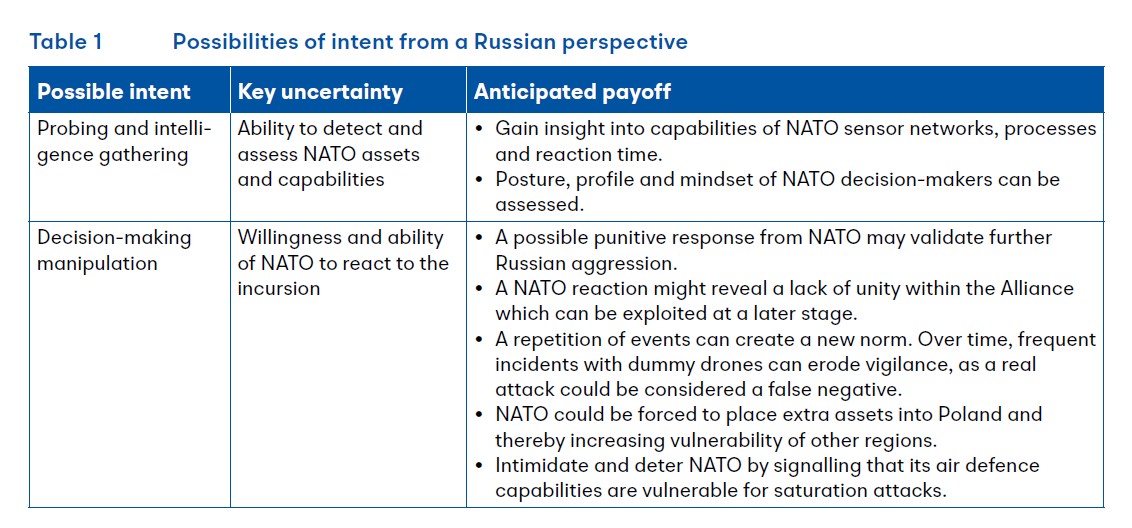
The drone incursion illustrates Russia’s strategic calculus of pushing boundaries and probing allied defences. By doing so, Russia aims to test NATO’s unity and resolve over time, deliberately eroding established international norms. At the same time, it leads to confusion over what happened and how the alliance should respond, which is a classic element of Russian strategy.
Authors


Related
See all

The Crisis of Belarusian Sovereignty