The Israeli strike on Doha and its strategic implications for the Gulf
- Israel’s September 9 attack on Doha broke regional taboos, including hitting a major non-NATO U.S. ally mediating between Israel and Hamas.
- Attacks of Iran and Israel on Qatar raised doubts of the US' reliability as a security guarantor and strengthened the perception of Israel as a direct threat to Gulf security.
- These developments eroded trust in U.S. protection and pushed Saudi Arabia further from normalizing relations with Israel.
- Uncertainty may drive Gulf states to diversify security ties, opening opportunities for Europe. However, this would require credible political and military commitment, and further security decoupling from the U.S.
At the beginning of this year, few observers expected Qatar to become the target of two separate attacks by September. Yet, after Iran’s strike on al-Udeid base on June 23, the small Gulf state was hit again on September 9, this time by Israel. The Israeli military carried out an airstrike on a compound used by Hamas, killing five members of the organisation (but none of the targeted leaders) in addition to a member of the Qatari security forces. The strike occurred in an area surrounded by embassies, schools, and some commercial establishments. By targeting Doha, Israel broke a regional taboo, prompting a fundamental reassessment of Gulf security.
Since October 2023, the members of the Gulf Cooperation Council (GCC) have gone to considerable lengths to de-escalate regional tensions in the Middle East and to avoid getting dragged into the conflict between Israel, the United States, and the Iran-led axis of resistance. Qatar, in particular, has played an active mediating role to end hostilities in Gaza and set Israeli hostages free, as well as a number of Palestinian prisoners. At the same time, all six GCC states tried to use their increased economic, military, and personal ties with the US government as a shield that could protect them from any potential spillovers or direct threats.
In the framework of their broader normalisation strategy, they also kept communication channels open with each major stakeholder, including Iran and Israel.
These steps were deemed once again insufficient. The Israeli strike targeted a sovereign and stable country designated as a major non-NATO ally of the US, hosting the largest American base and forward headquarters of the US Central Command. According to available information, Israeli jets sent the missiles from outside of Qatari airspace (either from Syria or the Red Sea) as Doha was notified by the White House only when the missiles had already hit Doha.
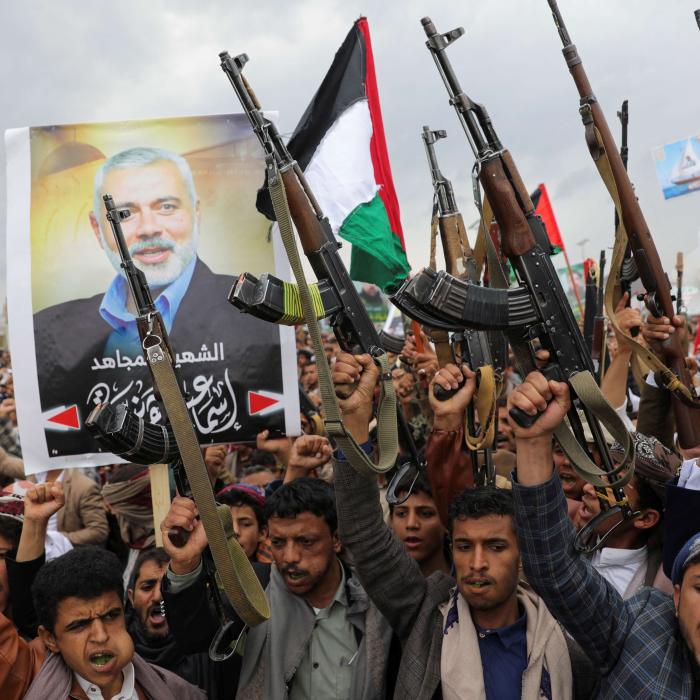
For these reasons, the attack will likely have lasting security implications not just for Qatar but all GCC states. Such a strike on the territory of a Gulf state was considered far-fetched even a year ago, when Israel waited for Hamas leader Ismail Haniyeh to visit Tehran to assassinate him. Although an overnight, drastic change is unlikely, the taboo-breaking Israeli attack will likely speed up developments and revisions already in motion in the Gulf, especially concerning their evaluation of the US security guarantee and their perception of Israel.