From shock to adaptation: Hezbollah in Lebanon, 2026
- After 2024, Hezbollah tightened its internal organization, reduced its external profile, increased its coordination with Iran and adapted its warfighting methods
- In response, Israel now targets Hezbollah’s civilian support base and equates Lebanon’s Shi’a with the movement
- Results include refugee streams, growing sectarianism and a segmented conflict with limited prospects for political resolution
Since Israel’s assault in 2024, Hezbollah has tightened its internal organization, reduced its external profile, increased its coordination with Iran’s Islamic Revolutionary Guard Corps (IRGC) and adapted its warfighting methods. While still weakened, it has transformed into a more resilient and opaque force that now sees itself engaged in an existential fight.
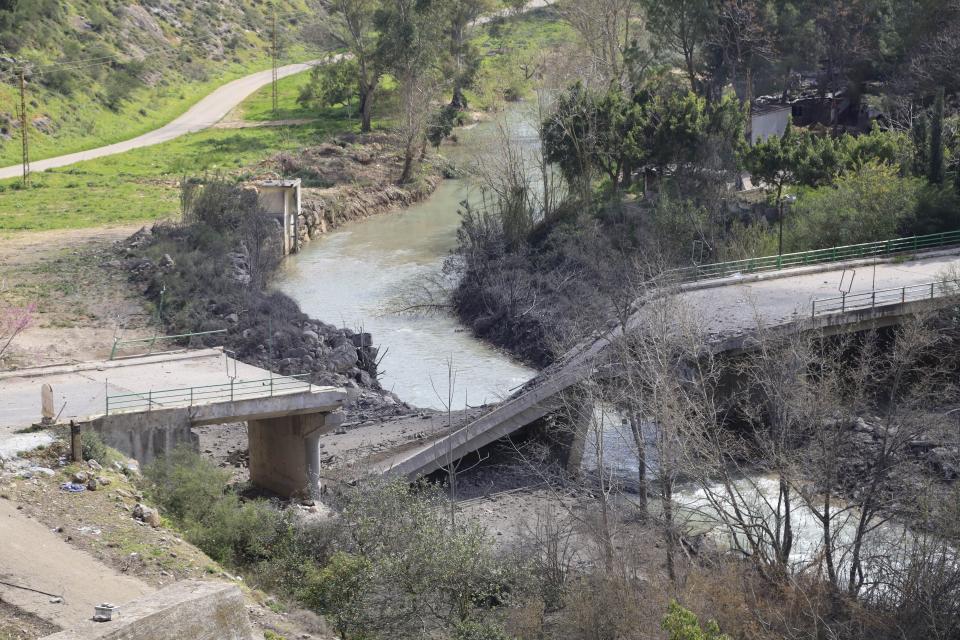
Israel, facing limits in the effectiveness of its aerial targeting, has resorted to broader and more destructive bombardment that seeks to rupture Hezbollah’s civilian support base and put pressure on Lebanon’s Shi’a, which Israel now equates with the movement. Destruction and displacement are West-Jerusalem’s key instruments. The results include refugee streams, growing sectarianism and a segmented conflict landscape with limited prospects for meaningful political resolution.