Israel’s 2026 elections
The ultra-orthodox, annexation and war
- Ahead of the October 2026 elections, Israeli politicians mainly focused on the ultra-orthodox draft, the occupied Palestinian Territories, and the wars with Iran and Hezbollah.
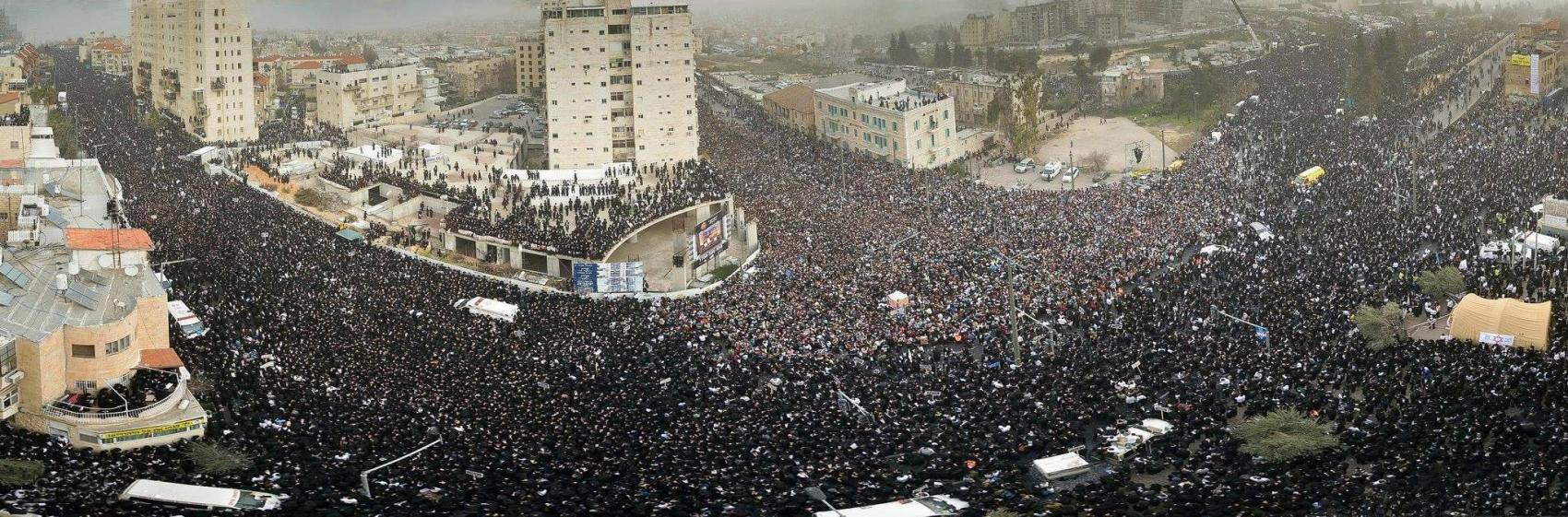
- The ultra-orthodox draft issue has the potential to mobilize voters across existing electoral divides because of its salience after nearly 3 years of war.
- As to annexation of the occupied Palestinian Territories, there is broad consensus among the religiously-oriented Israeli political elite that it is desirable.
- The wars against Iran and Hezbollah are a potential swing factor in influencing the elections with impact depending on how US-Iran negotiations and hostilities work out.
- Gadi Eisenkot’s Yashar party overtook the Bennett-Lapid Together party as Likud’s main challenger, with 22 seats projected to Likud’s 24.
If all goes according to plan, Israeli voters will head to the polls in October 2026. This date could spell a final reckoning with the polarizing and authoritarian politics of Prime Minister Benjamin Netanyahu. It could also put some brakes on the acceleration of the Israeligovernment’s ultra-nationalist and ultra-religious policies and practices since 2022. Or it could consolidate this acceleration and might even keep Mr. Netanyahu in office. Either way, Israel’s annexation of Palestinian lands and its wars with Lebanon, Syria and Iran will continue for the simple reason that indecisive battlefield victories are likely to deepen conflict in the absence of a diplomatic resolution. While it is a fool’s errand to predict electoral results, it is possible to examine what makes elections tick.