Challenge accepted? EU Enlargement non-papers provide mixed picture of EU integration commitment
- EU Member States have put forward several non-papers on enlargement in recent weeks, signaling renewed momentum in the accession process
- A Franco-German proposal strengthens the concept of gradual EU integration by outlining concrete political and sectoral integration steps during the accession process
- A Benelux-Franco-German proposal for a new generation of accession treaties prioritizes risk management but may weaken the attractiveness and quality of EU membership
- Successful enlargement and a stronger EU require internal reforms and greater cooperation among existing Member States
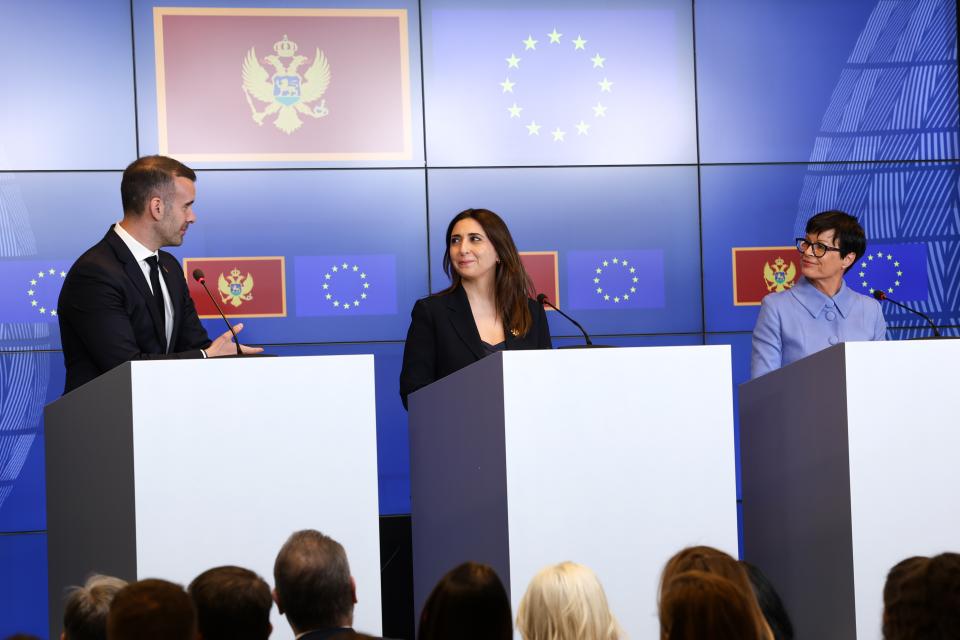
EU enlargement is again in full swing. On June 15, the Council took the long-anticipated decision to open the fundamentals cluster for Moldova and Ukraine, marking the actual start of their accession negotiations. Montenegro closed yet another 2 negotiation chapters on the same day, getting ever closer to its objective to finalise negotiations by the end of 2026. Debates on how to facilitate enlargement on the EU side have equally received a boost in recent weeks. For years, these discussions were largely driven by the expert community, advocating ideas such as the often-cited staged integration proposal. Now, the European Commission and Member States are taking centre stage in the debate. In February, the Commission floated a reversed integration model for Ukraine: membership first, integration later. As Member States rejected the idea quite firmly, enlargement Commissioner Marta Kos challenged capitals to put forward their own ideas. Challenge accepted, so must have thought Germany, France and the Benelux countries, producing various non-papers. This brief assesses their proposals, asking whether they can genuinely move enlargement – and the EU itself – forward.