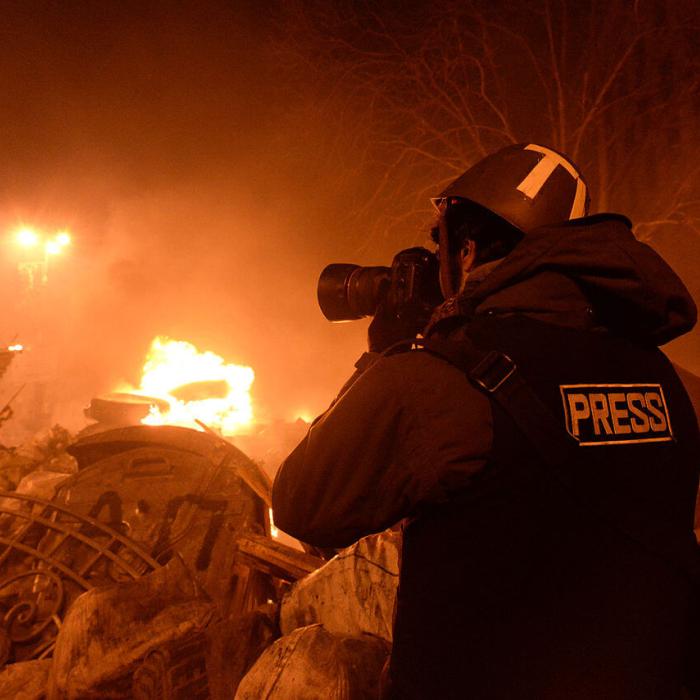
Conflict environments and coverage
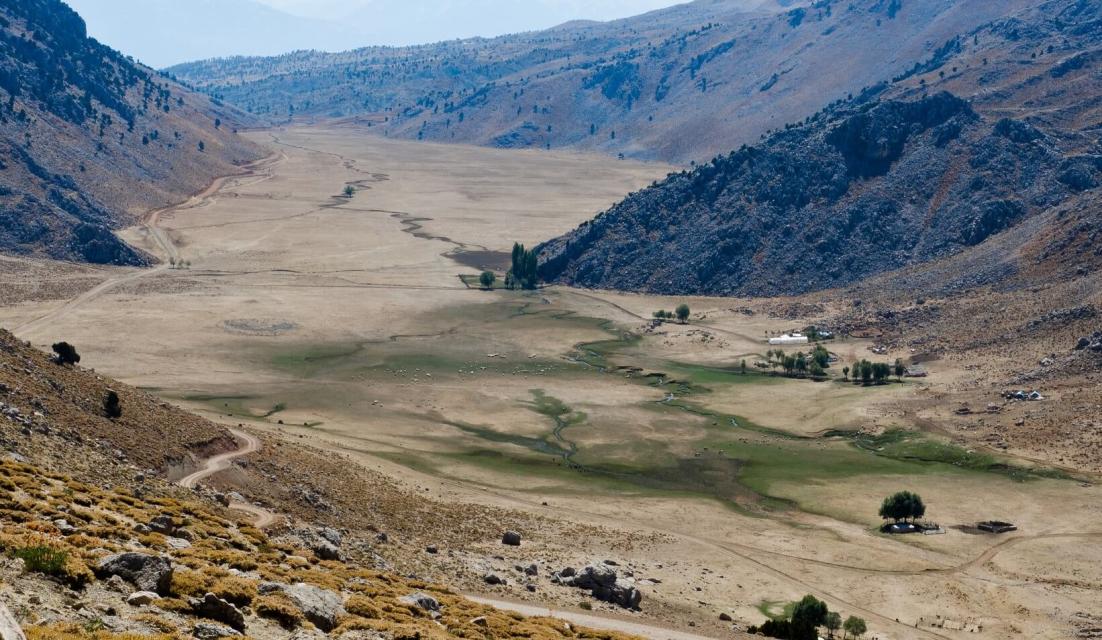
Armed conflict affects the lives of an estimated 1.5 billion people around the globe. Unambiguous and factual data is necessary but the context in which violence is perpetrated influences our ability to capture sufficient data.
In this report, the authors from the Armed Conflict Location & Event Data Project (ACLED) assess the cases of Turkey and Tunisia to better understand the influence of context on reporting. In Turkey, a difficult media environment influences reporting whereas in Tunisia the character of violence located in remote parts of the country provides distinct challenges.
The report stresses that almost every conflict context is unique and that country specific data and information gathering strategies are needed. A series of recommendations is presented by the authors which among others include the taxonomy of event and agent types, the scope of the data collectors, and funding and support of humanitarian organisations, journalists and local information-sharing networks.
Authors
External authors



Related
See all