Polar connections
Exploring the potential for Indigenous contributions to a secure Arctic
- Climate change is having drastic effects on the Arctic bringing about increased shipping traffic, migration of fishing stocks and easier access to mineral resources
- A warming Arctic poses threats to Arctic communities, especially Indigenous peoples whose livelihoods and cultural practices are deeply tied to the polar environment
- Multilateral institutions such as the Arctic Council are hamstrung by geopolitical tensions, but Indigenous peoples, with their shared cultural ties, can play a role in fostering dialogue and reducing misunderstandings
- Arctic States could reconsider the benefits of existing institutional formats, potentially reforming them to better incorporate Arctic and Indigenous community perspectives
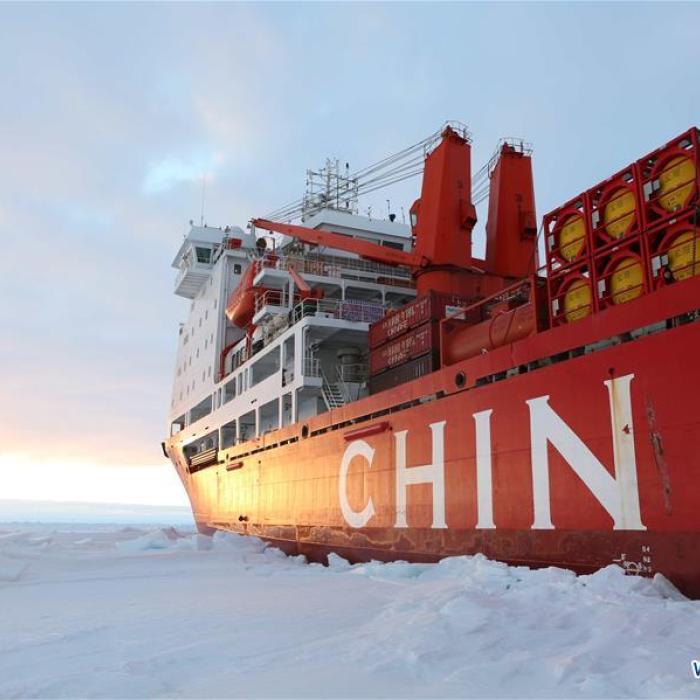
The Arctic is a region of increasing concern. The area has become a geopolitical hotspot because glaciers and sea ice are melting at record speed due to climate change, uncovering mineral resources and opening up alternative sea routes. The land under the Arctic Sea is claimed by Russia and NATO allies, who are at loggerheads since the full-scale invasion of Ukraine by Russia. New military investments and expanded scientific explorations reflect the interest in the vast resources of the region and in the new and shorter sea lanes that are becoming available between east and west. Even China now has an Arctic strategy and an enhanced presence in the region.
This view of the Arctic as a geopolitical chessboard means it is easy to forget that the Arctic is not just about nuclear-powered submarines, polar bears and resources. It is the region of millions of inhabitants who are confronted on a daily basis with the changes to the climate, the search for critical raw materials including oil and gas, as well as an enhanced military build-up. Many of the Arctic’s residents, such as Indigenous groups, often have their own perspectives on how the Arctic should be governed, which contrast with those of the Arctic states themselves. This Alert discusses how an enhanced engagement of the people living in the Arctic can help to rebuild relations between Russia and the NATO allies once the general political situation allows for it. It points to the need to invest in restoring old channels of communication to avoid misunderstandings with possibly devastating effects.
Authors


External authors
Related
See all
Shifts in Arctic security