Why renewable energy matters in the context of peace and stability
- Many fragile and conflict-affected states face vulnerabilities due to fossil fuel dependence
- Energy access rates in these countries are often extremely low, hindering socioeconomic development
- Decentralized renewable energy can help to foster stability and to integrate climate, energy and peacebuilding efforts
- This requires de-risking investments and emphasizing local peace-related benefits of renewable energy projects
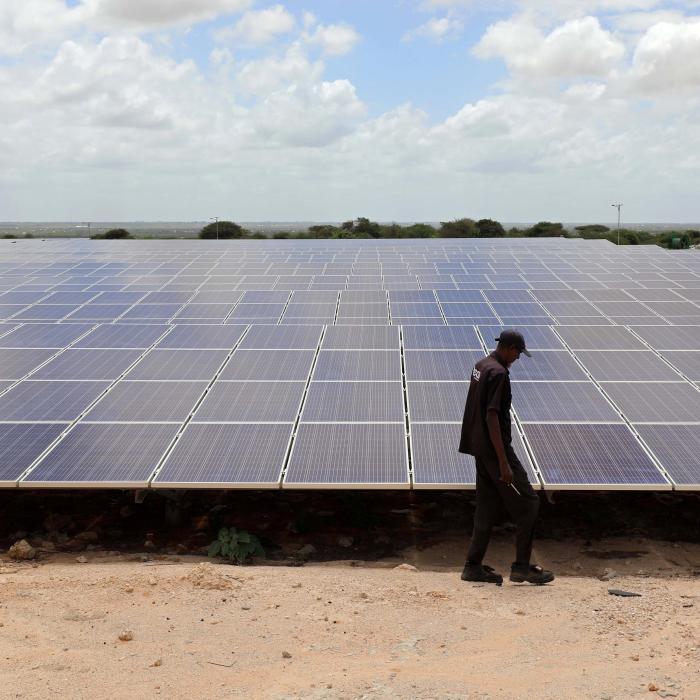
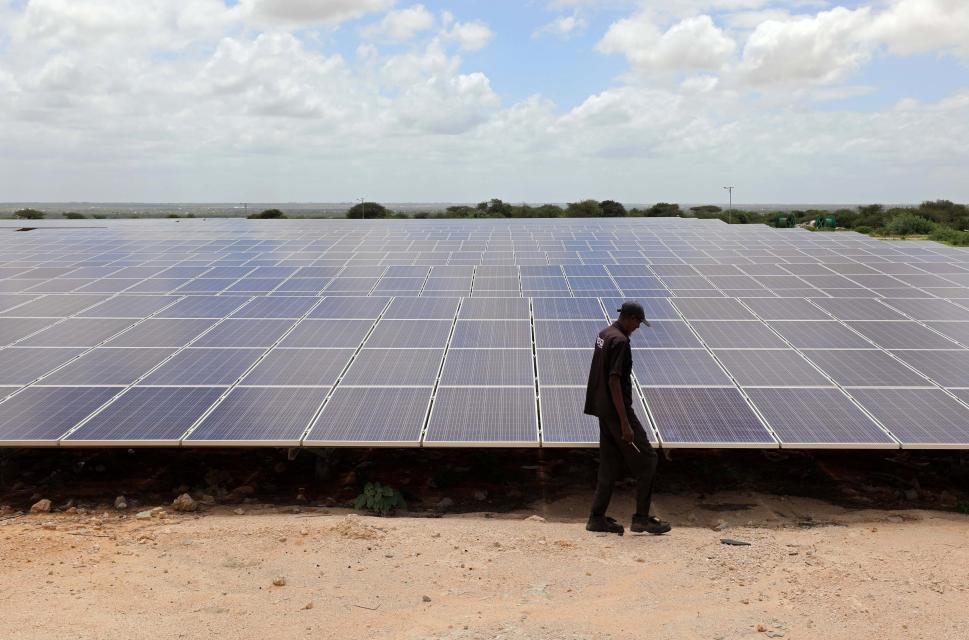
Many fragile and conflict-affected states (FCAS) face significant challenges related to energy access, which exacerbates instability and hinders development. Reliance on fossil fuel supply chains – frequently controlled by conflict parties – can also undermine the peacebuilding and peacekeeping efforts of UN missions often operating in these contexts. Renewable energy, particularly decentralized systems like solar microgrids, presents an opportunity to address these issues by fostering greater energy security, supporting socio-economic development, and enhancing both conflict and environmental resilience of local communities. This policy brief explores the potential of renewable energy to contribute to promoting peace and stability in FCAS. Despite the many opportunities it offers, several barriers such as political instability, security risks, and financing challenges can impede the deployment of renewable energy in these settings. The brief discusses three potential entry points for policy action: improving coordination between the climate, energy, and peacebuilding sectors; raising awareness and enhancing dialogue about the local peace related dividends of renewable energy; and attracting more public and private investment through de-risking mechanisms. Integrating renewable energy into peacebuilding efforts and facilitating financing of community-led off-grid projects are crucial for harnessing its full potential. It is time to translate this potential into action.