How Dutch companies deal with economic security
Winning the world between awareness and action
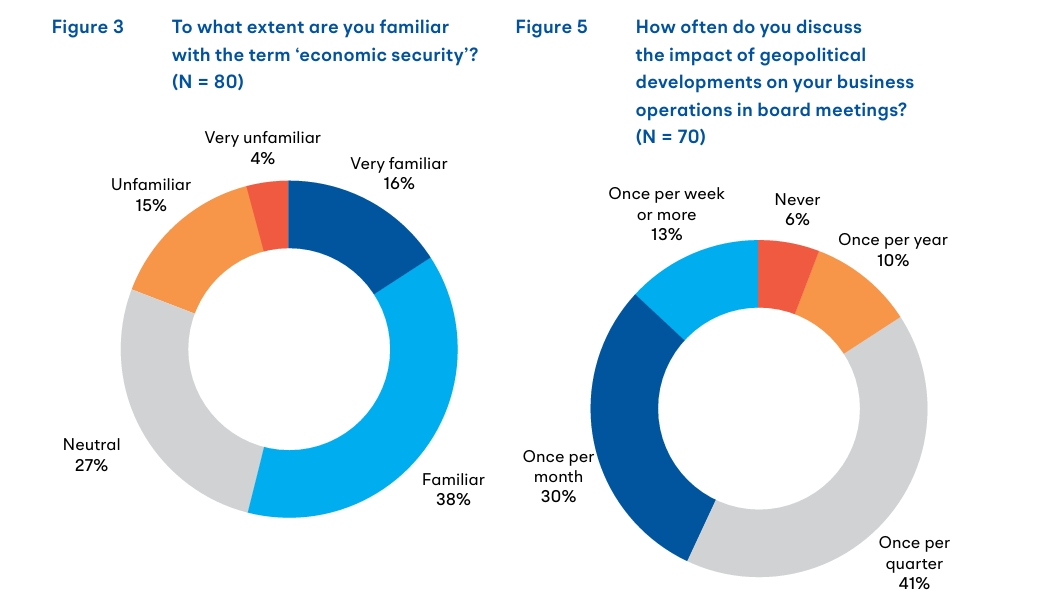
- Half of the Dutch companies active in critical and emerging technologies or in providing vital processes or services are largely unfamiliar with the concept of economic security, found a company survey on economic security which Clingendael conducted in May-July 2025
- Although nine out of ten companies acknowledge the risks related to economic security, not all companies have invested in measures to address them. In particular, there is a relatively large gap between perceived risk and action when it comes to supply chains and investment, merger and acquisition activities
- Dutch government instruments designed to support economic security are only known to one-third of respondents
- Collaboration with sectoral organisations can help meet the need for support and stimulate strategic dialogue in the most sensitive industries
Lees deze Policy Brief hier in het Nederlands
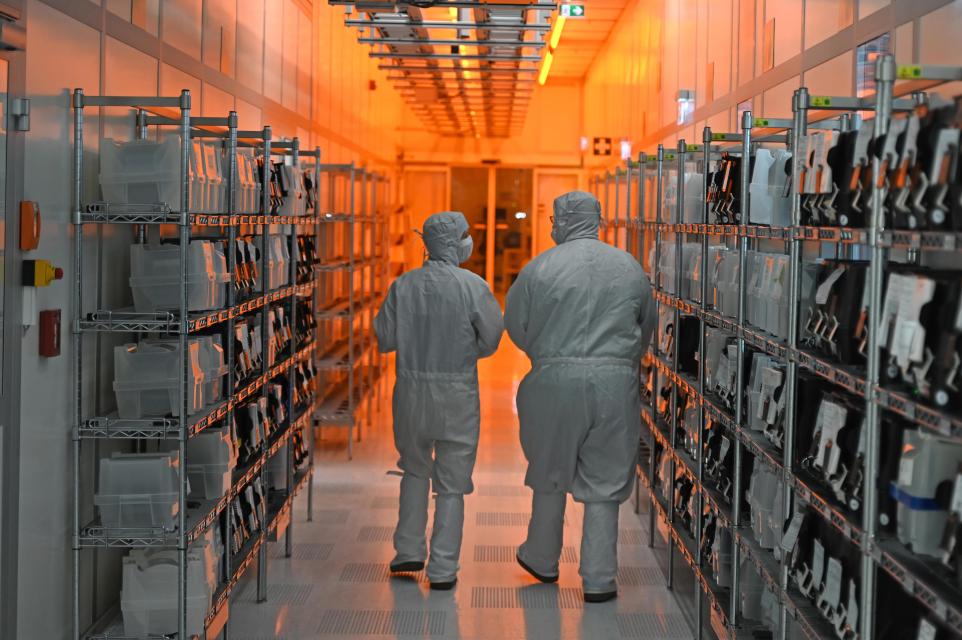
This Policy Brief presents the findings of a survey on economic security among Dutch companies active in critical and emerging technologies or in providing vital processes or services. These include companies—both large and small—operating in sectors such as semiconductors, AI and quantum technology, cleantech, IT and digital infrastructure, as well as water and food industries.
Of the 90 companies that participated in the survey, nearly half were still largely unfamiliar with the concept of economic security—a topic currently high on the agenda of policymakers in The Hague. Economic security encompasses a wide range of factors that can make companies—and the Dutch economy as a whole—vulnerable: from financial, IT and data risks to geopolitical dynamics that affect supply chains and personnel policy.
Although nine out of ten companies acknowledge the risks related to economic security, not all companies have invested in measures to address them. In particular, there is a relatively large gap between perceived risk and action when it comes to supply chains and investment, merger and acquisition activities. Moreover, Dutch government instruments designed to support economic security (such as the Entrepreneurs’ Desk for Economic Security and the Investment Screening Bureau) are only known to one-third of respondents.
To strengthen the resilience and competitiveness of Dutch companies—and thereby the economy and society as a whole—the government would do well to invest in greater awareness of economic security and the tools available to address it. This awareness should not only highlight concerns or risk perceptions but also perceived opportunities, which should serve as motivation for more economic-security measures. Collaboration with sectoral organisations can help meet the need for support and stimulate strategic dialogue in the most sensitive industries. After years of protective government measures, such as stricter investment screening and export controls, companies are now seeking broader knowledge and support in addressing economic-security risks.