Humanitarian negotiation
Clingendael Academy empowers professionals to take effective humanitarian action to support and protect civilians.
Introduction
Humanitarian assistance plays a crucial role in protecting civilians from the consequence of war and disaster. Humanitarians, diplomats, and others must combine an impressive skillset to operate in stressful circumstances.
Why Clingendael?

Impact
40+
Training courses yearly
650+
Participants yearly
120+
Working countries
News

Training overview
Keep an eye on this page for our training courses.
- 8-11 June 2026 | Foundation Course on Humanitarian Negotiations, The Hague, The Netherlands | In person (APPLICATION CLOSED)
- 18-20 May | Foundation Course on Humanitarian Negotiations, Cox's Bazar, Bangladesh | In person
- 6, 7, 11, 12, 13 May | Humanitarian-Development-Peace Nexus | Online | Download brochure
- 6-9 July 2026 | Foundation Course in Humanitarian Negotiation Skills | ONLINE
Highlights

Succeed with Clingendael
Practical, hands-on experience

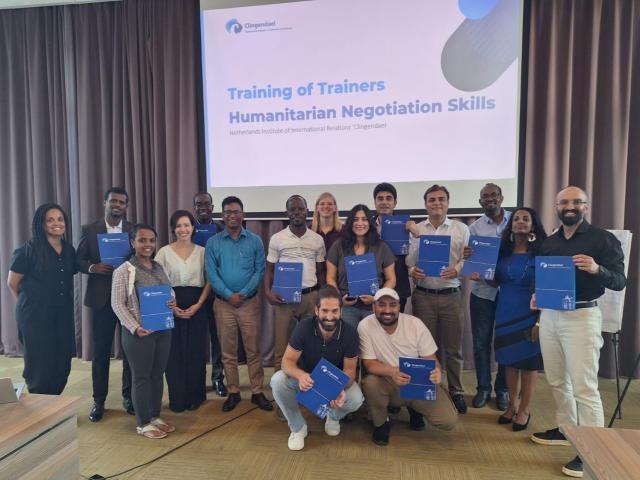
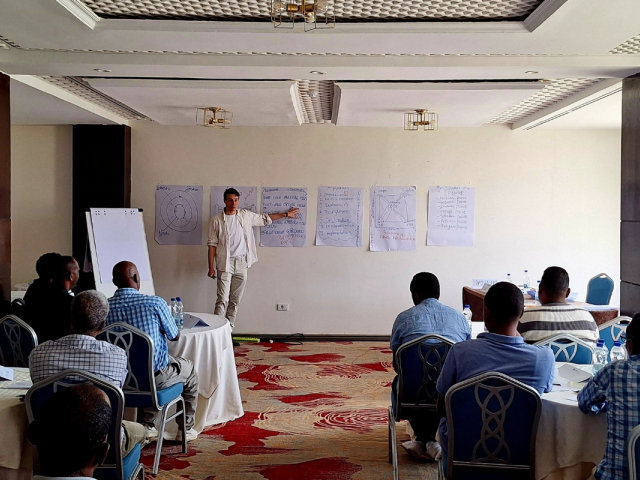
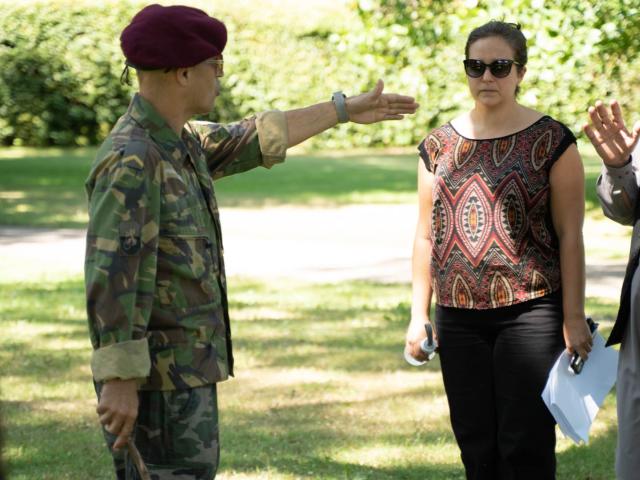
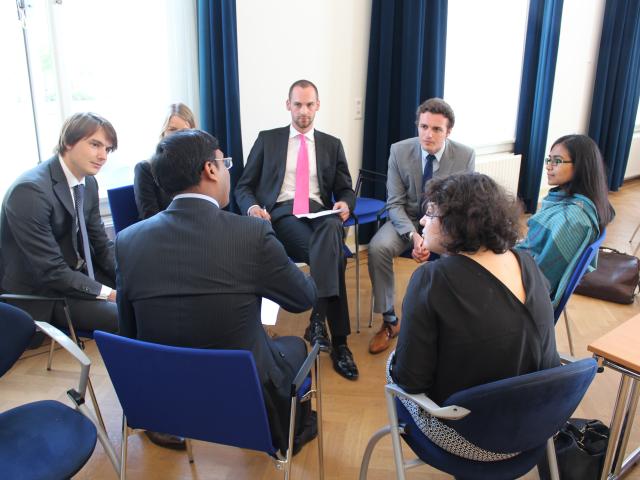
Our training courses connect knowledge to practical skills that are directly applicable to your every-day work. The majority of sessions take a hands-on approach with interactive elements that let you immediately practice with the newly acquired insights and reflect on their usage.
Knowledge exchange and networking
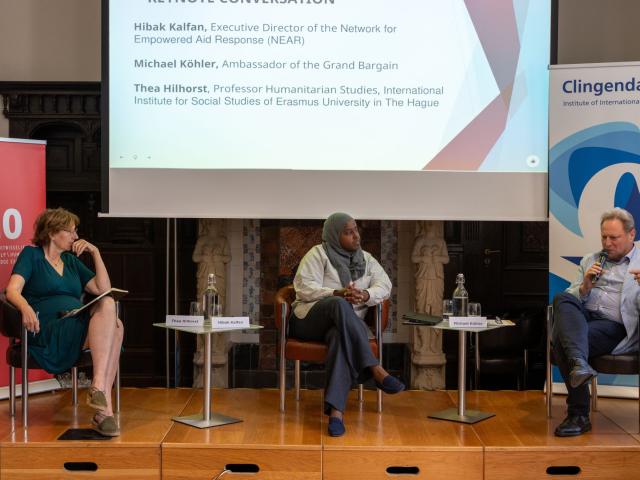
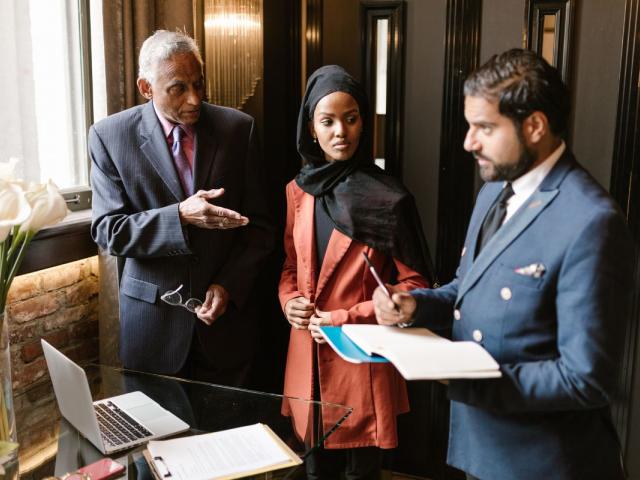
During our training programmes, you engage with experts from the sector and peers to exchange knowledge and best practices. Our training sessions provide ample opportunities for networking, thereby fostering connections that can support your professional growth. The high number of collaborative exercises and group discussions ensure you benefit from diverse perspectives and collective expertise.
Building an essential humanitarian skill
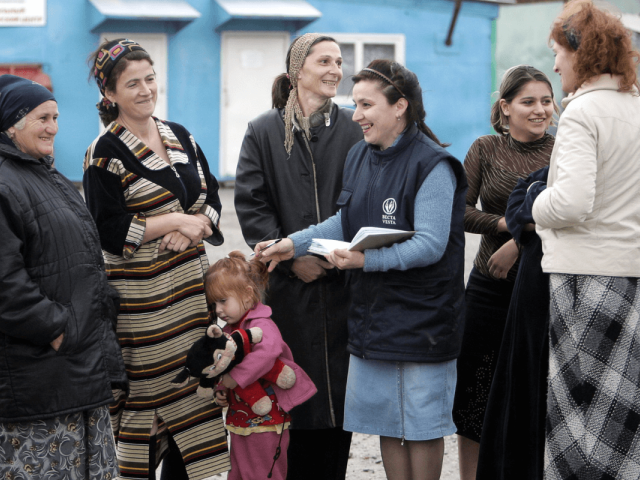
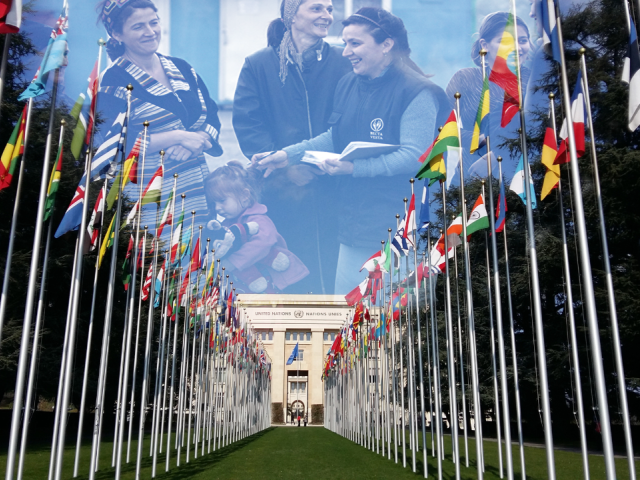
It is estimated that 12,000 humanitarian aid workers work directly on the frontlines of conflict and disaster. These first responders are often local or national staff, who must assess immediate needs and the possibility for humanitarian access. Other national and international staff support the immense effort of providing humanitarian assistance, requiring extraordinary coordination with other humanitarian actors and the international community.
Tragically, humanitarian access is not always guaranteed in an emergency or conflict setting. To gain access and to be able to implement humanitarian projects and reach beneficiaries, it is likely that negotiations follow.
Humanitarian aid workers must then manage a complex process of identifying the main decision-makers from (armed) groups, (local) governance structures, community leaders and other agencies in the area with the aim of creating the conditions for safe access to populations in need.
Negotiation then lies at the heart of how an aid worker (and their organisation) can create agreements that aim to satisfy as many interests as possible and reach people in need. Knowing how to do navigate through such negotiation situations and make conscious choices in what you will and will not agree to strengthens the capacity of the humanitarian negotiator. The better an organisation is prepared for such humanitarian negotiation processes, the higher their chances of success in reaching people in need.
Organisational support
Our programmes are designed with your organisation in mind. We understand the challenges of implementing new knowledge and skills within an existingorganisational structure. Approaches to transferring new insights into the work environment are discussed during the training sessions and Clingendael can also provide capacity support on structuring internal negotiation processes.